
Dusk staging of sea trout on the River Dart
Dusk staging of sea trout on the River Dart
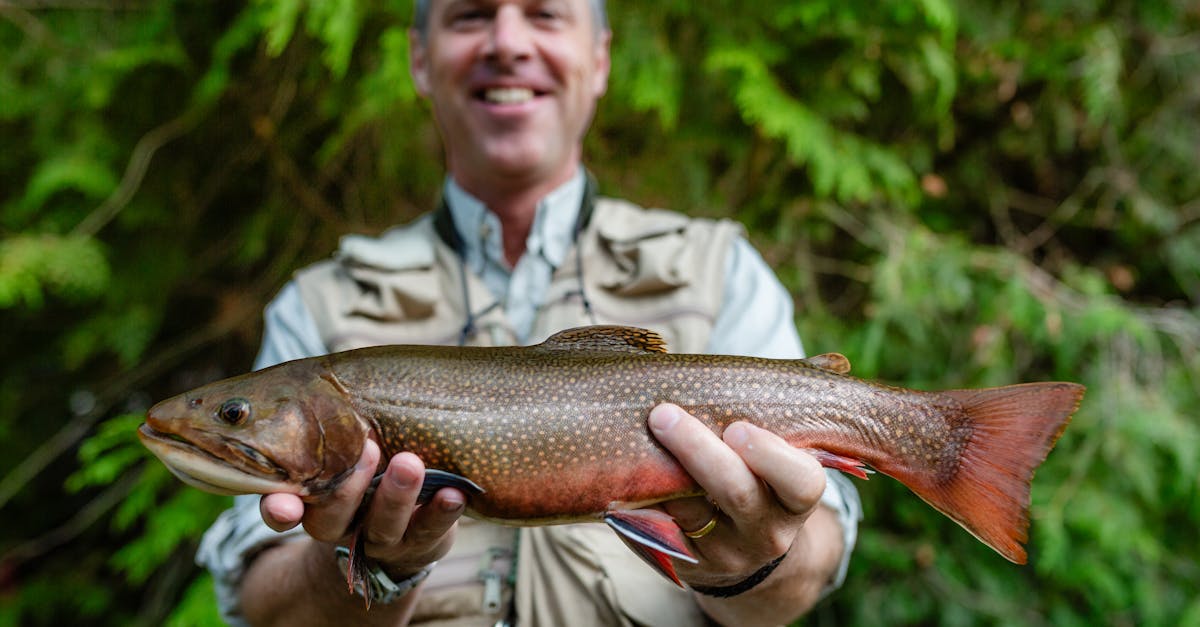
Sea trout (Salmo trutta) show pronounced twilight behaviour on the tidal River Dart near Dartmouth. Local guides and long-term anglers report repeating patterns in spring and early summer evenings when incoming tides, fading light and prey movements align to create a predictable staging event for feeding fish.
Prey pulses and tidal forcing
Shoals of lesser sandeel and sprat are commonly implicated in surface hunting episodes. As the flood tide pushes prey toward the estuary margins and rocky grooves, concentrated pulses of baitfish appear in the lower Dart and adjacent harbour, provoking short, intense feeding windows among sea trout.
Light windows and timing
Feeding activity concentrates in a narrow light window either side of sunset. On clear spring evenings—particularly April and May—sea trout often switch from holding to active pursuit as ambient light drops, reducing prey visibility and allowing trout to exploit confused shoals. This window typically lasts 20–60 minutes but can vary with cloud, tide height and lunar phase.
Where fish hold at sunset
Sea trout commonly stage along channel margins, behind boulder clusters, near tidal gullies and at creek mouths feeding into the lower estuary. Deeper runs that back onto shallow flats are favoured because fish can ambush prey pushed into shallows by the flood. Anglers targeting these lies use long leaders and stealthy approaches from Dartmouth harbour walls to Dittisham.
Conservation and practical notes
Given their estuarine fidelity, catch-and-release handling, barbless flies and short handling times are recommended to reduce stress. Appropriate kit for these sessions includes waders and a saltwater flyrod optimised for 7–9ft leader work in tidal conditions.
Recommended: lightweight saltwater rod