
Dusk Seams: Test & Itchen Tips
Dusk seams on the River Test and Itchen
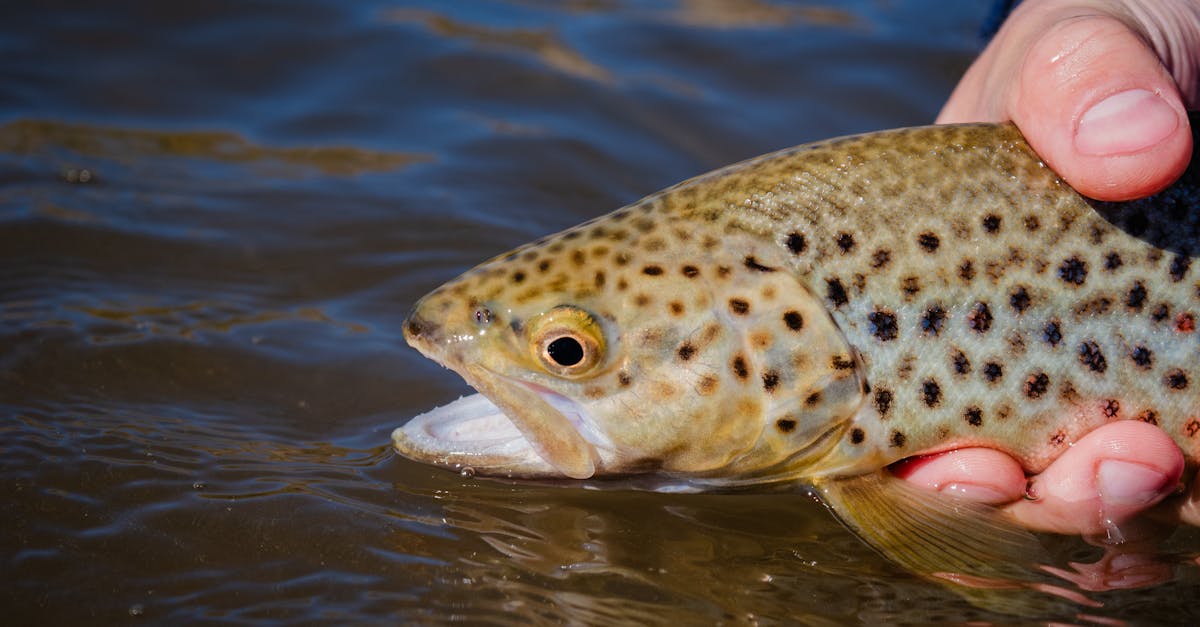
River Test at Stockbridge and the Itchen near Winchester show trout sliding into 6–24 inches of water along the seam as light falls. Read the crease between riffle and glide; the seam softens beside weed beds, undercut banks or bridge tailouts where fish wait to sip olives or spent spinners.
Where to stand
Stand one to two rod lengths back from the fish to avoid silhouette. Pick positions where the seam softens, not in the main push. In Kimbridge and Alresford stretches shift laterally rather than forward; a soft bank or marginal cover lets the angler present without spooking fish.
Fly size and leader tweaks
Begin with a size 16 dry for late olives, then go to 18 or 20 if refusals occur. Patterns that work: spent olive, pale evening dun, CDC emerger or a skinny sedge. Use a long leader of 12–15 ft and taper to 5X–6X tippet; for a dry a 12–14 ft taper landing to 5X–6X keeps presentation quiet. If trout are spooky add length and finesse to the tippet rather than changing rod power.
Casting angles, knots and gear
Cast quarter upstream at 10 or 11 o’clock so the fly reaches the feeding lane before drag. For side seams cast across-and-slightly-upstream and mend only minimally. A 9ft 5wt with floating line handles turnover; tie flies on with an improved clinch and join leader to tippet with a double uni or surgeon’s knot to preserve strength and turnover. Tighten only the last section when current is tricky.
A trout easing from the dark edge to sip an olive at dusk is often two casts and one accurate mend away.
Recommended: CDC emerger flies