
Solent double-tide bass windows
Solent double-tide bass windows: a single March fact
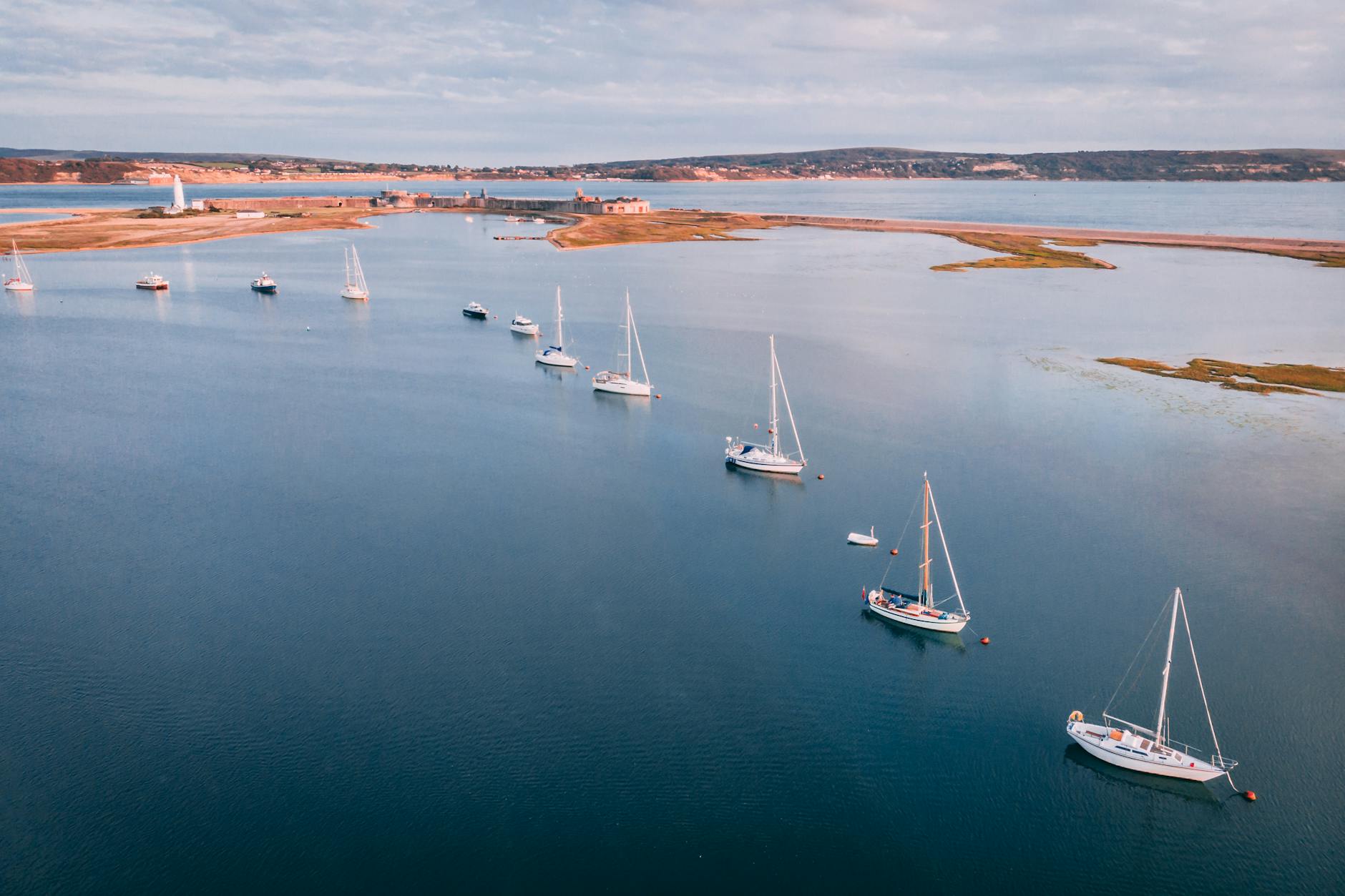
The surprising double-tide advantage
One lesser-known fact: locations around the Solent and Portsmouth Harbour experience a true double high water each tidal cycle, producing two distinct short slack windows that concentrate sandeel-feeding bass in early March. That repeated lull gives fish two predictable pulses of activity in otherwise cold, clear estuarine water.
Lures, hook sizes and presentation for cold water
In March, subtlety wins. Narrow-profile soft-plastic sandeel imitations in 3–4 inch lengths, translucent sand or clear-amber tones and minimal scent outperform bulky profiles. Small, wide-gape hooks matched to light jigheads—effectively in the 1/0 to 2/0 range on 5–12 g heads depending on tide speed—help achieve natural falls without snagging shy bass.
Drift angles and retrieval cadences
Work the tide by drifting across it at 30–45 degrees so plastics sweep past noses and flanks. The cadence should be slow: a gentle roll for 2–4 seconds followed by a 3–6 second pause, with occasional subtle lifts. During the two Solent slack windows, lengthen pauses—bass often hit on the fall as sandeels tumble.
Night versus day
Daytime in clear March estuaries demands lighter leaders (8–12 lb fluorocarbon) and low-contrast plastics; at night, switch to paler, higher-contrast profiles and slightly heavier heads to penetrate surface chop and trigger reaction strikes around lights and moorings.
Checklist for slick, windy conditions
Essentials: long leader (1.5–2 m) fluorocarbon, 15–20 lb braid mainline, spare small jigheads, polarized glasses for tide-read, a windproof layer, non-slip boots and an extra spool with heavier heads for fast-ebb casting.