
Where the Dry Fly Was Born: England’s Chalk‑Stream Tradition
River Test at Stockbridge and the rise of the dry fly
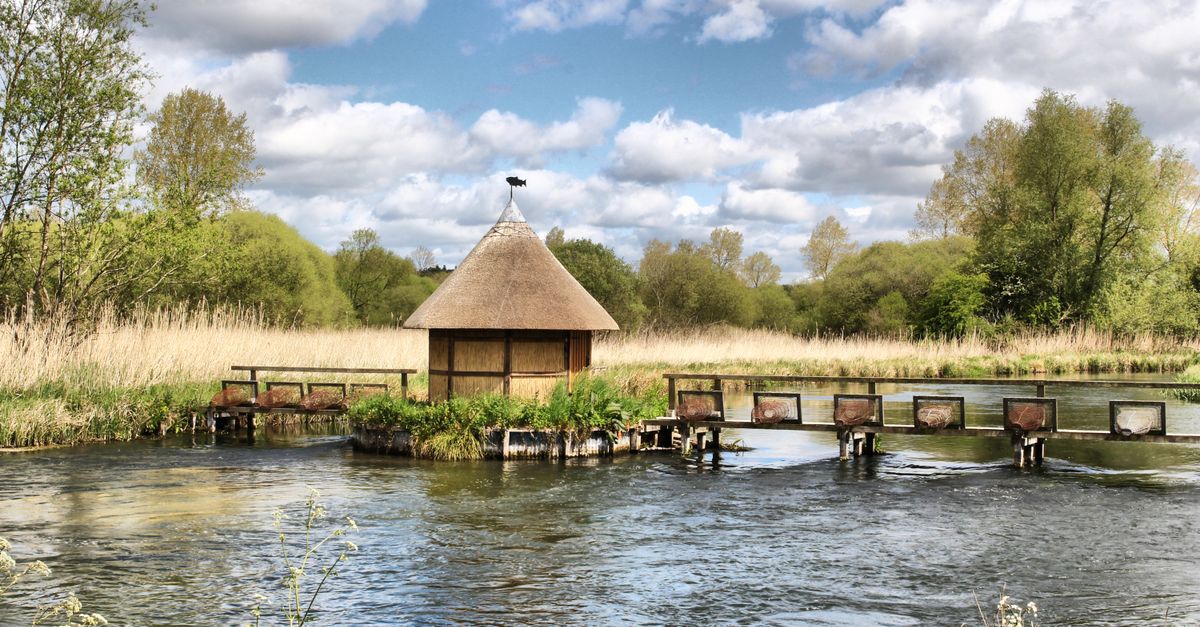
The River Test’s gin‑clear ribbon through Hampshire set the template for a style of fishing built on sight, subtlety and patience. Water crowfoot floats like green lace; trout feed in shallow seams. Anglers learned to cast upstream, present a dry fly with near‑invisible leader, and wait for the soft sip of a brown trout taking a mayfly.
Chalk streams are born of porous chalk aquifers. That geology guarantees steady flow, cool temperatures and exceptional clarity. The insect life is precise: mayfly hatches—March brown among them—caddis and delicate chironomids that demand accurately dressed flies and careful presentation.
Tradition, technique and the characters
Frederic M. Halford championed the upstream dry‑fly approach on the Test and Itchen. Later voices favoured nymph work, sparking debates that sharpened methods rather than splitting anglers. The result: a technical, observant angling ethic where presentation beats brute force.
Species are simple: brown trout and grayling dominate the chalk. The water favours stealth—no long, clumsy drifts. Rods are light; casts precise. Waders are often knee‑deep, boots finding the flinty bed, while a pale fly rod arcs and lands the imitation a few inches above a trout's nose.
A trout rising in a sunlit seam among water crowfoot is the chalk stream's signature: precise, fleeting, unforgettable.
Recommended: 9ft 4wt fly rod