
Evening alkalinity and chalkstream rises
River Test and River Itchen evening cues
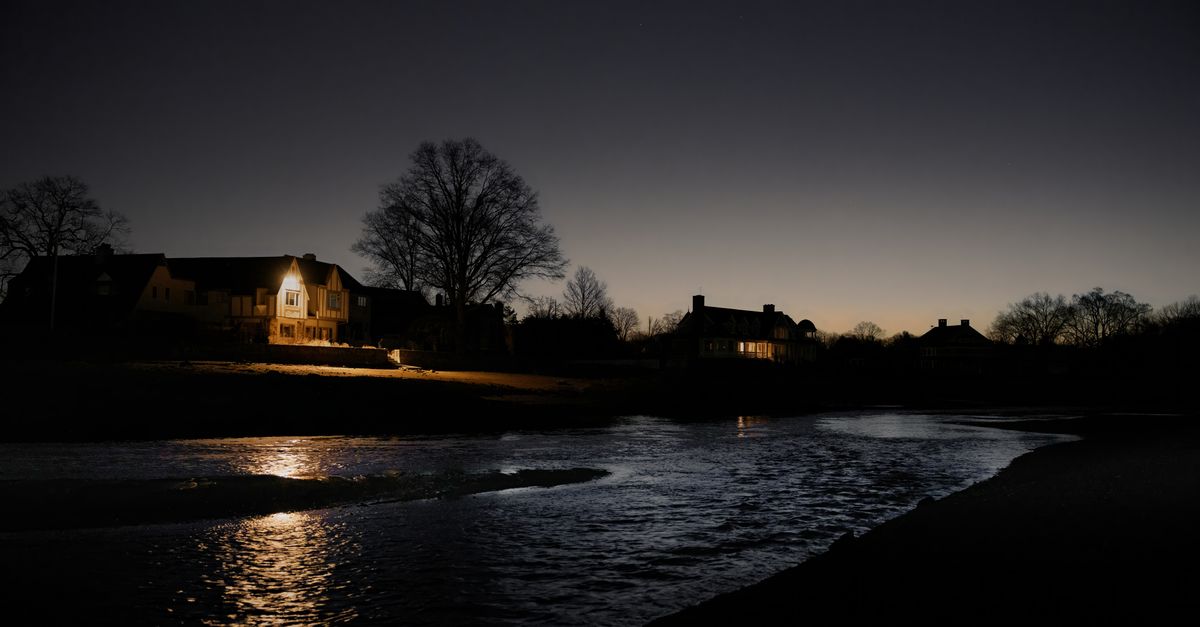
River Test and River Itchen dusk windows lock in when warm alkaline flow, a caddis or mayfly emergence and a brief oxygen/food pulse line up along classic chalkstream feeding lies.
Chalkstream brown trout respond to clear, cool, well‑oxygenated alkaline water that supports dense weed and rich insect life; converging currents form feeding lanes, glides and seam edges where rises concentrate instead of scattering.
Timing and insect rhythm
Late spring through early summer throws the mayfly hatch; the spinner fall—often in the hour around early evening—can trigger splashy rises. Caddis and sedge continue through summer evenings, keeping a steady surface menu for fish keyed to light and oxygen pulses.
Low‑impact dusk tactics focus on the lane, not the whole river. Present upstream on a floating line with a 12–15 ft leader and fine tippet (5X–6X). Use size 14–18 caddis/sedge imitations, 14–16 olive dries and size 8–12 mayfly duns or spinners when the hatch runs. Short, accurate casts into seams and slow glides into feeding lies win more than long flashy presentations.
Keep movement minimal: soft step to the margin, drift shadows, mend lightly and let the fly live. On the Test and Itchen a single spinner fall around six in the evening can send trout erupting in a line of white splashes beneath chalk banks.
Recommended: 5X fluorocarbon tippet