
Evening Barbel on the Wye
Foy Bridge on the lower River Wye comes alive from 17:00 when barbel start moving into the shallows
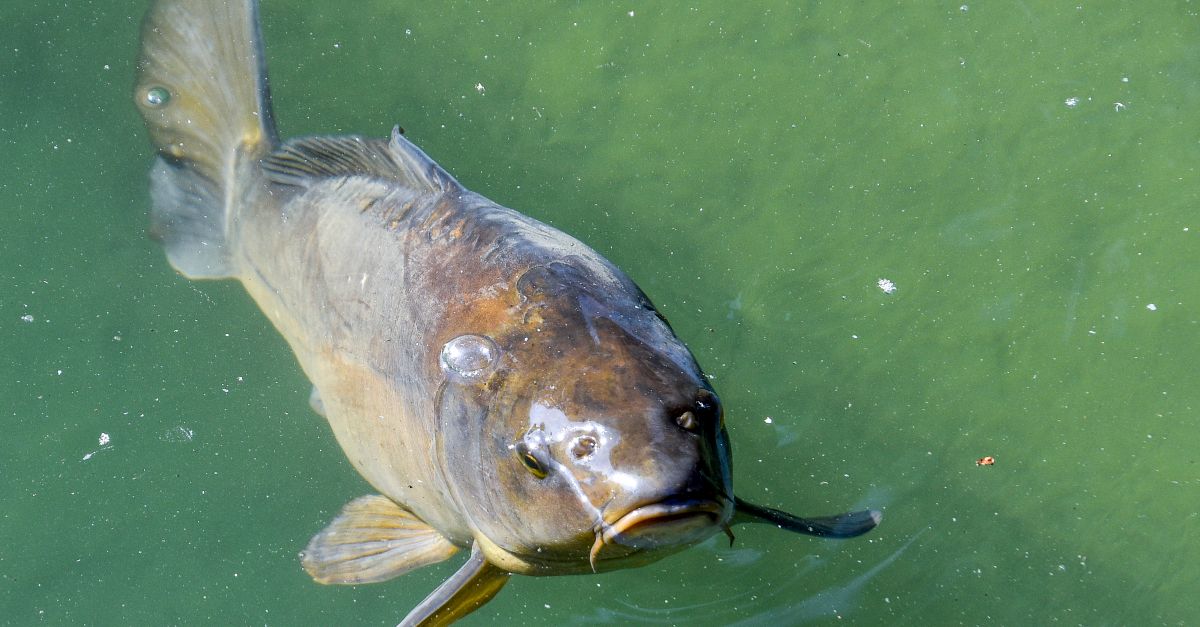
Evening migrations on the Wye below Ross-on-Wye are a predictable switch: barbel vacate deep daytime gullies and edge into faster, oxygen-rich runs as light falls. The prime window is late afternoon through the first half-hour of darkness; many anglers see the sharpest takes just after sunset and into dusk.
Holding lies change with the light. Deeper gullies, gravel tongues, crease lines and the tail of a run hold daytime fish, but evening fish press the faster, shallower margins. Roving a running lead or “rolling meat” through those deeper gullies then prospecting the glide edges usually pays off.
Predator choreography and night-shift cues
Chub and pike frequently follow the barbel migration into margins, and salmon can ghost through the same lanes on occasion. A steady trickle of fishmeal or halibut pellets with torn luncheon meat keeps shoals interested; guides swear by a block-end feeder or bait dropper to hold a patch through the fade.
Sessions on named beats from Symonds Yat to Monmouth and Redbrook often produce 5–8 lb fish routinely, doubles appearing in the lower reaches. At dusk the river narrows to sound: water over gravel, a soft plop of bait, a line thump as a barbel peels braid into the dark.