
Evening Brown Trout on the River Test
River Test below Stockbridge: 12–18in wild brown trout at dusk
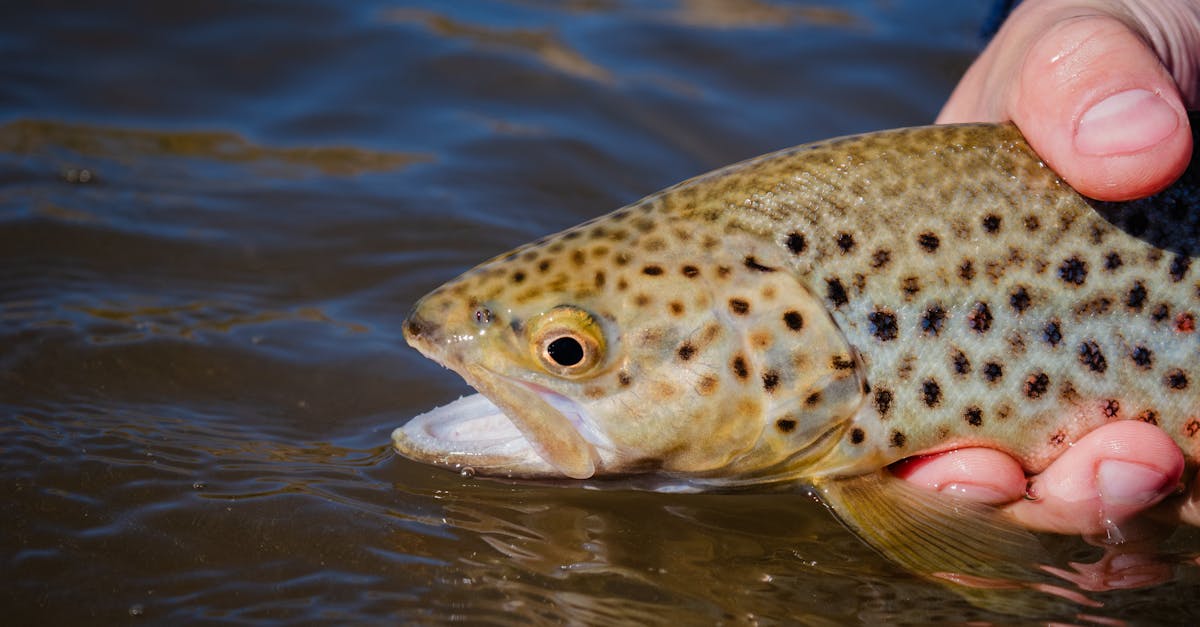
The stretch below Stockbridge is chalk stream at its sharpest: clear water, gravel ribbons and weed beds that carve distinct seams where trout feed. These browns move from deep lies into marginal seams in the final 90 minutes of daylight and again for two to three hours after sunset.
Seams, insect pulses and micro-currents
Trout often station at 18–24 inches depth along the interface between faster flow and slack margins, using micro-currents to shepherd Baetis and Caenis drifts into biting range. Mayfly pulses, notably local Baetis and Ephemera patterns, spike in late evening and compress feeding into 200–400 metre hotspots.
When spinners fall the action intensifies: fish switch from dun to spent-spinner takes within 15–20 minute windows and concentrate on surface seams swept by weed crowns. August nights shift to caddis dominance as Potamophylax adults rise in the gloom.
Successful presentation favours small nymphs and careful dead-drift across seam-lines; long leaders, delicate tippets and balanced dry flies win more takes than brute weighting. Waders on firm gravel and patient casting along marginal currents reveal rises that otherwise stay invisible until the last light—a spent spinner trembling on the surface as a brown takes it in the dusk.
Recommended: assortment trout flies