
Evening caddis and sedge hatches on Hampshire chalkstreams
River Test and Itchen: Grannom Caddis to August olives
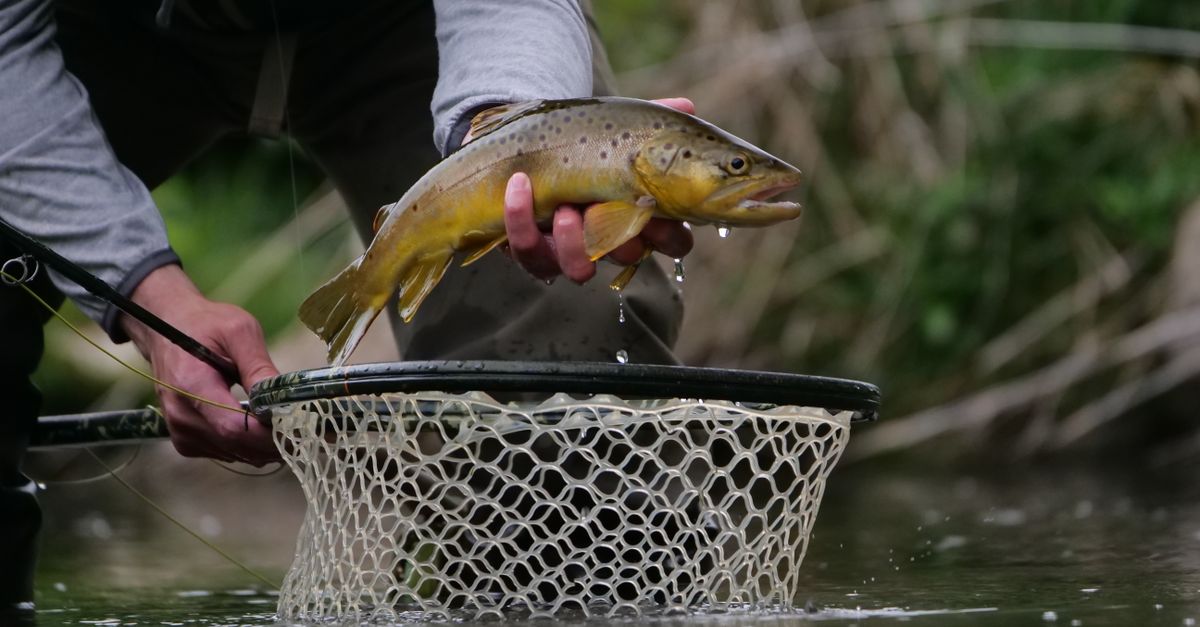
On the chalkstreams of Hampshire, evening sedge and caddis swarms turn trout into seam hunters. Casts into the head of left-to-right gutters produce quick drifts as fast water drags a dry into the slower weed-side seam, and trout move into those lanes with machine-like precision.
Reading seams at dusk
Right-angle gutters need short, precise 10–15 ft casts and immediate mends to avoid drag when current bends around Ranunculus ribbons. Weed-raft drifts create dead spots downstream where fish wait to intercept insects tumbling over floating cut-weed mats. Tail flicks beneath crowfoot ribs mark lies taking ascending nymphs or spent spinners.
Gear choices are specific: CDC Caenis patterns on size 22–26 hooks for fine olives, size 16–18 for caddis emergers; a 12–15 ft tapered leader with degreased last inches and a light tippet (7-X or around 5 lb) keeps the fly skating true. Start subsurface with nymphs before the hatch, switch to dries as the bank fills with sedge wings and spinner spirals.
Timing is local and tight: a high-density sedge pulse over ten to fourteen days can open a daily dry-fly window at dusk. On a calm Test evening an olive spinner falls, a trout slides along a gutter head and the line goes steady into a dark, impatient run.