
Evening Dry‑Fly on Test & Itchen
Stockbridge sees a 30–90 minute dusk feed on the Test
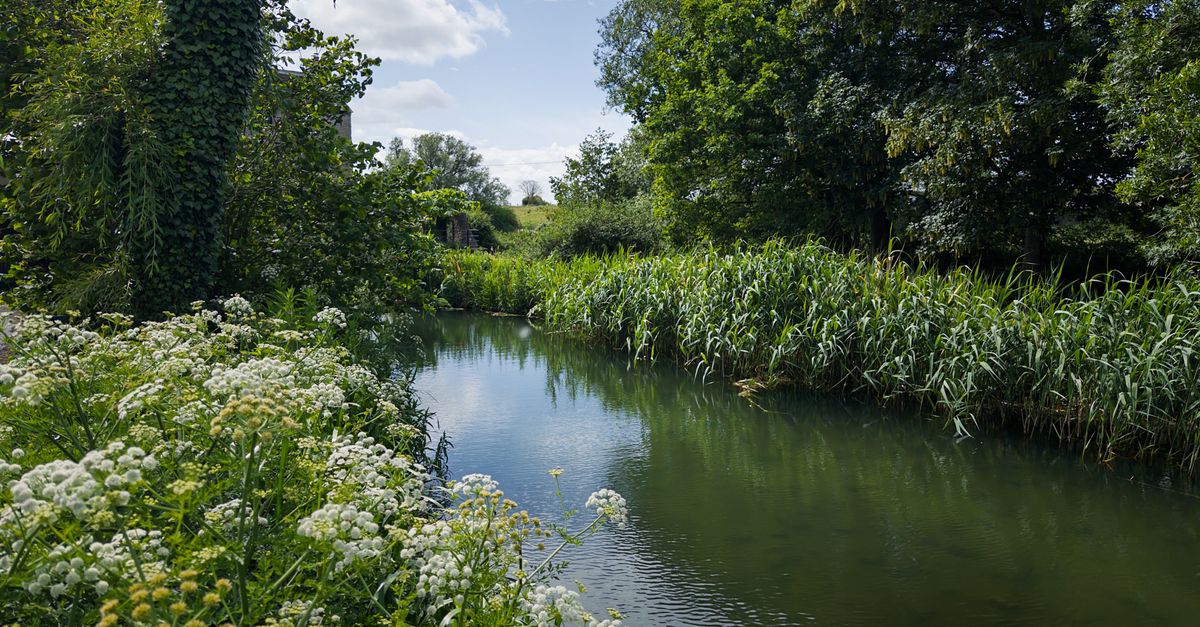
Suburban LED spill along the Test and Itchen corriders pushes the main evening hatch later and tighter; brown trout switch from scattered daytime sipping to a short, sharp feeding spell once banklight falls away. Anglers on lit reaches report rises bunching around the transition from dusk to true dark rather than at sunset.
Behaviour and feeding window
Chalk streams are hatch‑led; light alters silhouette more than abundance. Night‑trout practice puts the heaviest feeding into a half‑ to one‑and‑a‑half‑hour window driven by falling light. The biggest trout usually wait until it is dark enough to leave cover and cruise mid‑water or edges.
Practical rigging is small and exact: Olive Dun imitations in sizes 20–16, CdC emergers, F‑flies, Elk Hair Caddis in sizes 16–12, Black Gnat 18–20 and Hawthorn 14 for terrestrials. If trout hold under the film, a subsurface emerger will often outfish a dry.
Work seams beside reed beds, overhanging willows, undercut banks and channels between weed. A trout above mid‑water answers a dry or shallow emerger; one near the riverbed needs a subsurface drift. Stay on station through the dark window and expect bolder, larger trout to commit when the lamps finally cease to rule the stream.