
Evening Insect Pulses on Hampshire Chalkstreams
River Test, mid‑May into early June: the classic mayfly window opens
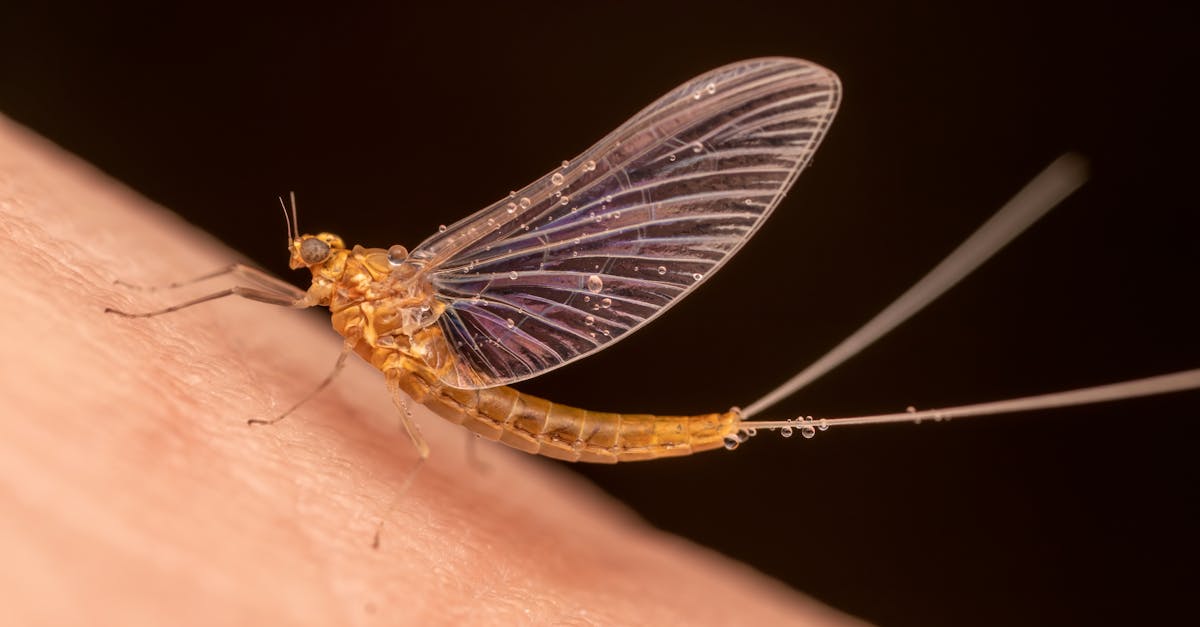
On the River Test and the Itchen the evening pulse is rarely a single hatch; it is the overlap of mayfly, sedge/caddis and a last olive fall that produces the best feeding surge for brown trout (Salmo trutta).
Mayfly nymphs rise from clean gravel and duns skate awkwardly on the film. Trout sit in 18–36 inch water where a steady seam pins the fly; a single fish rising repeatedly is often keyed to a particular stage, so match silhouette and size.
When sedge and caddis matter
In the final 60–90 minutes of daylight smaller sedges and caddis emergers dominate. Trout switch from obvious duns to emergers, pupae and spent adults in the film; splashy rises usually point to caddis or sedge spinners while slow dimples betray duns.
Read the water: seek glides, soft edges, crease lines and slow inside bends. Even 2–4 feet deep runs on chalkstreams hold selective fish if the flow is smooth. Gear leans light: 8–9 ft, 3–4 wt rods, tippet 5X–6X for olives, 4X–5X for larger mayfly. Carry mayfly duns size 10–12, spent mayfly 10–12, sedge/caddis emergers 14–18 and a small parachute olive 16–18.
At dusk a trout will lock onto the feeding lane and break the glassy surface with a single confident boil; the last light often finds a brown trout pinning a dun against a seam as the film tightens and the river exhales into night.
Recommended: parachute olive fly pack