
Evening insect pulses on the Test & Itchen
Stockbridge on the River Test and the upper Itchen stage precise May twilight shows
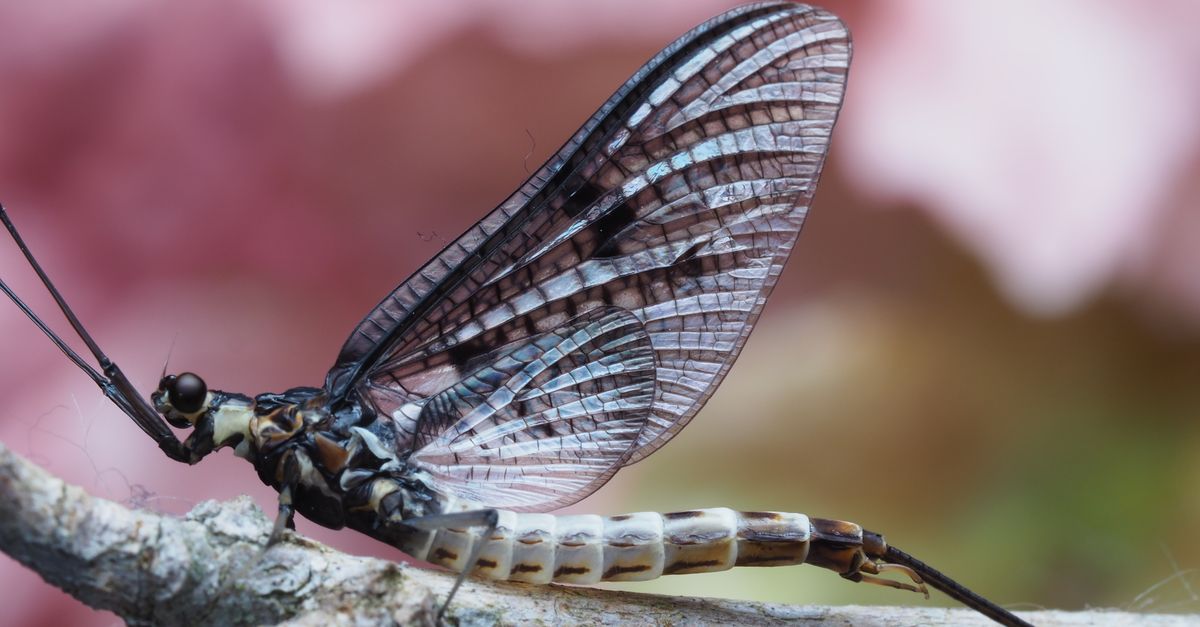
Ephemera danica often crowns the hatch in May, but the curtain opens earlier. Caddis and sedge pupae move first; emergers and spent spinners follow. That timing gap — nymphs, emergers, spent adults — drives the predictable dusk rises that make these chalkstreams famous.
Brown trout on the Test and Itchen switch from picky takes to bold surface grabs when a hatch concentrates. Gentle rising fish usually mean spent spinners or trapped terrestrials in the film. Splashy, violent rises signal mobile targets: sedge pupae or hatching duns impatiently breaking free.
Reading river life
When surface bugs bustle but dries are ignored, the takeaway is clear: emergers or subsurface stages are on the menu. Watch cobwebbed banks and grass blades for adults; trapped insects and spent wings reveal what trout will take next. A visible swirl at dusk often lines up with a pulse of emergers beneath the film.
Practical rigs mirror that sequence. A 7.5 ft leader with a couple of feet of copolymer tippet gives the subtle presentation emergers demand, while a quick-change dropper to a nymph covers subsurface action. Fish the film when spinners carpet the flow and switch to emerger patterns when rises are soft and steady.
Evening on these chalkstreams can end with trout thudding spent spinners as the last light goes; the ripple patterns and the insect litter tell the angler exactly which stage the trout have chosen.
Recommended: copolymer fly tippet