
Evening insect pulses on Hampshire chalkstreams
May–June "Duffers Fortnight" on the Test and Itchen
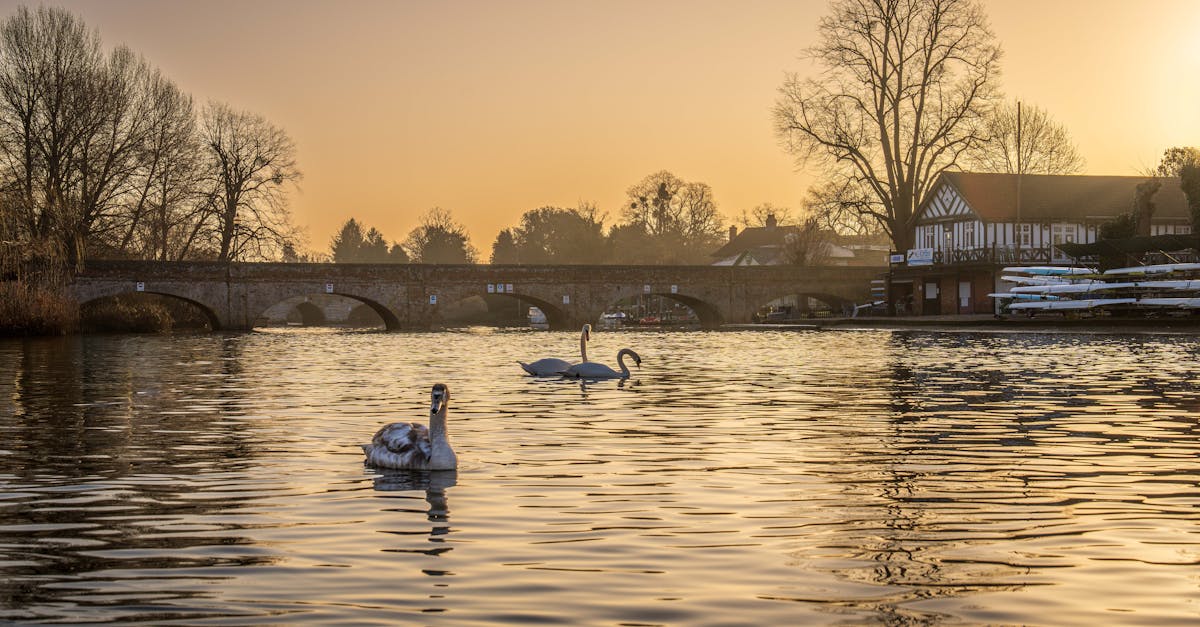
May–June delivers the night’s headline: a compact mayfly pulse and endless caddis trickle that turns clear chalk water into a feeding theatre. On the Test and Itchen, brownies respond hard—porpoising in glides, slashing in riffles, and taking pupae just below the surface.
Caddis emergences set the tempo from late afternoon into dusk. Look for no adults on the surface yet aggressive bulges in fast riffles and quiet rolls in slow glides. Pupae such as Hydropsyche and tiny sedge Imagos like Grannom and Agapetus fuscipes come off in runs; trout target those sub-surface exits and chase 6–10" scrambles, often ignoring olives on the surface.
Mayfly timing and seams
Mayfly duns hatch through the day but the spinner falls at dusk is the money moment—females drifting to lay eggs in seams 2–3 ft deep. River Dever and Houghton longpool tails mirror this: selective sipping by 3–5 lb brownies along steady drifts. On the Itchen, St. Cross margins and Martyr Worthy bends light up; on the Test, Stockbridge millpool glides and Broadlands beats hold bigger fish.
Read seams where slow meets swift: tailing riffles, the outside of long glides and the margins by watercress beds. Tackle up light—4-6 wt rods, 2x–4x tippets—and fly patterns lean small: #12–16 Grannom Caddis, #10 Jardine Mayfly Emerger or a slim All Season Sedge. Evening pulses most intense around 19:00–21:00 when small fish frenzy first, then bigger brownies move in to mop up.
Conservation matters: chalkstreams thrive on clean, cool water and insect life, so fishery stewardship keeps those dusk spectacles alive. A 3 lb brownie explodes under a cloud of Grannom as the last light slides off the chalk—a single, bright strike in the hush of the valley.
Recommended: fine tippet line