
Evening Runoff on the Test & Itchen
River Itchen near Winchester and the River Test at Ashford show evening nutrient pulses
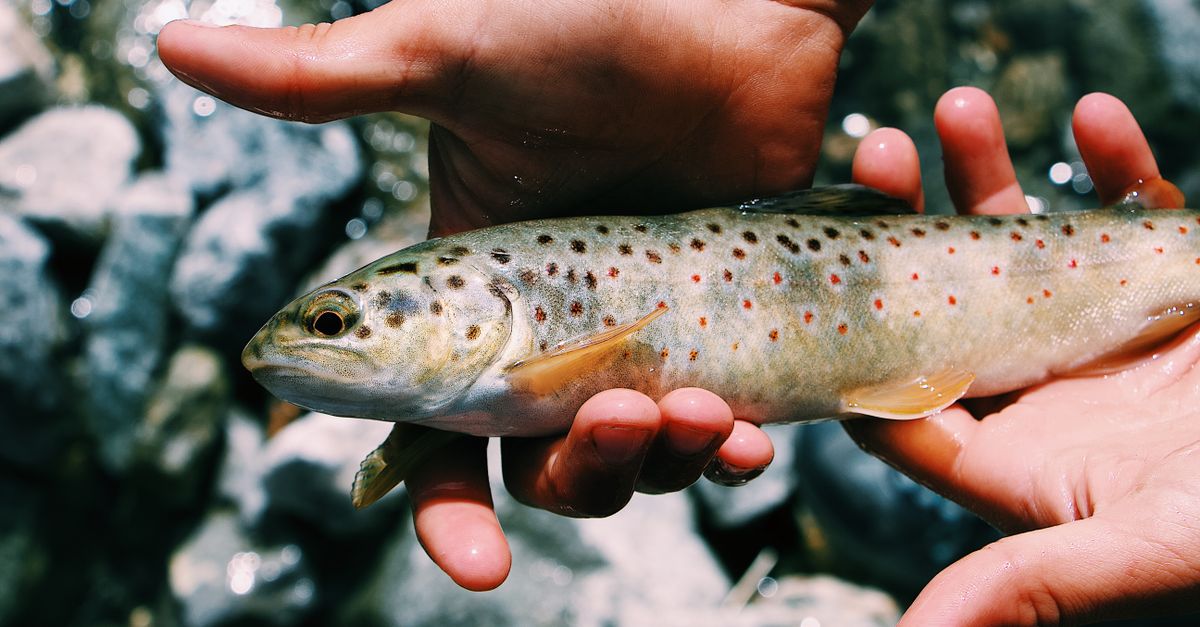
Evening agricultural runoff in Hampshire chalk streams suppresses surface insect emergences by fueling algal blooms and reducing flow, forcing mayflies and caddis to emerge outside the classic dusk window of 18:00–20:00 in July. That shift shrinks the brown trout’s surface feeding opportunity and rewrites evening tactics on the Test and Itchen.
Runoff delivers fertiliser and sediment that promotes blanket weed and displaces water crowfoot (Crassula aquatica), removing key oviposition habitat for river flies. Nearby River Avon surveys recorded river fly declines of around 83% over recent years, a collapse that echoes through trout diets.
Trout behaviour and angling implications
Brown trout (Salmo trutta) in these chalk waters, held at 50–54°F (10–12°C), traditionally move into 1–2 foot riffles to pick emerging insects. With suppressed emergences trout feed more at dawn or midday, grow wary of surface offerings, travel farther, or take sub-surface prey such as amphipods. Dry flies lose their edge; wet flies and nymph rigs become more reliable.
Conservation work that slows evening nutrient pulses and restores water crowfoot can reopen twilight feeding windows. A single dusky trout rising over a cleared gravel seam remains the clearest sign that those windows still exist on Hampshire’s chalk streams.
Recommended: breathable chest waders