
Evening Sea Trout on the Dart
20–30° downstream casts at Totnes riffles trigger the best sight takes on the River Dart.
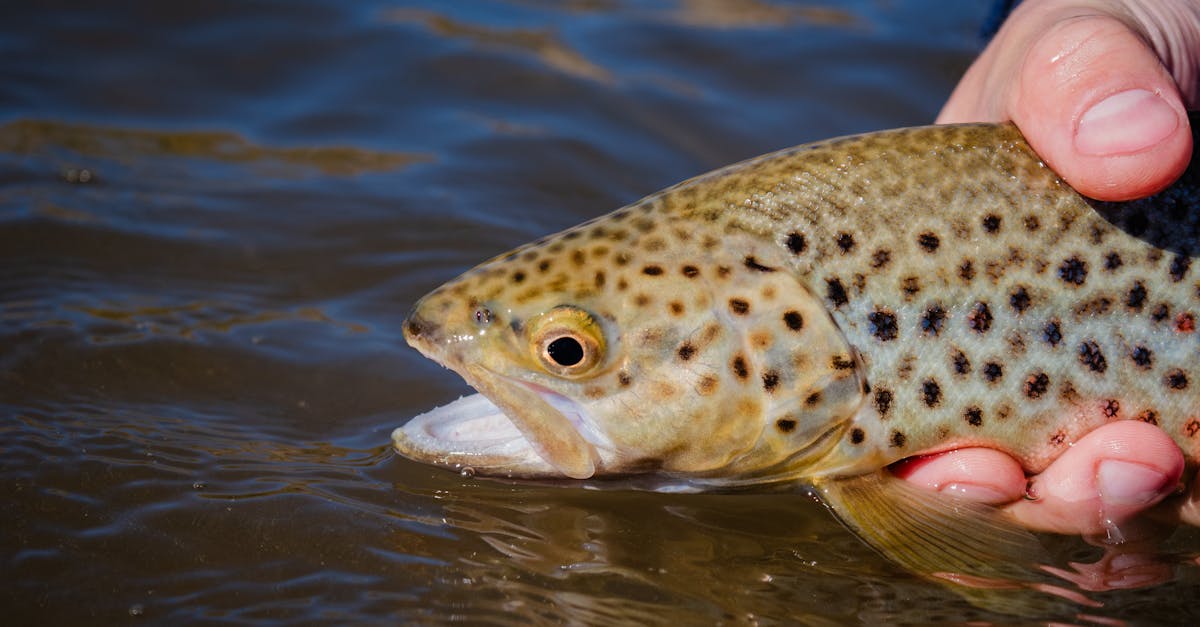
On fading evenings the silhouette matters more than flash. Start with a slim, low‑water profile — black-and-silver Mr Fish or a Sea Trout Stuart style — so the sea trout key on shape as the light collapses. When the dark settles, switch to a bolder Night Stalker silhouette to read unrest in the slack.
Keep the light behind the angler’s shoulder; lamp glare on the water ruins a show. Fish edges of broken glides, shallow seams of 1–3 ft and the riffle tails where trout stage. If the Dart colours slightly up, a touch more silver can help, but in clear water go smaller and darker.
Presentation through riffles
Cast 20–30 degrees downstream, let the fly settle, then use short controlled strips with pauses so the fly hangs in the current. Speed up subtly on the final swing — sea trout often take when the pattern moves just faster than the flow. A floating line with a 10–15 ft leader suits most evenings; for extra depth try an intermediate tip with about 1.5 m leader.
Tackle choice is simple: slim fly, tidy leader, stealthy approach and measured strips through the riffle. The reward comes as a tight turn in shallow water and a silver boil beside the shallow seam as the fly speeds up.
Recommended: intermediate sinking tip