
Evening Seams on the Itchen
River Itchen seams hold browns in 12–24 inches at dusk
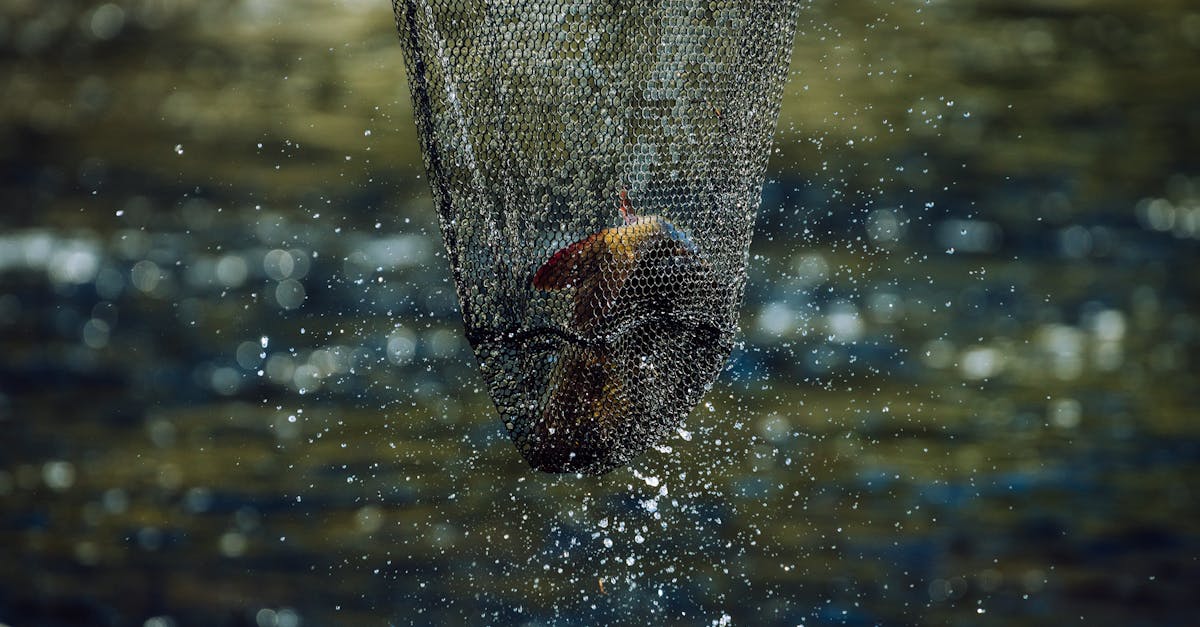
On classic Test tributaries — the Itchen, upper Test, Bourne and Lambourn — narrow chalkstream seams concentrate food and shelter as light falls. Brown trout (Salmo trutta) move from a holding position into a feeding slot, lining up just off the fastest current beside a crease, weed edge, bridge pier or undercut bank.
Evening rises on these waters are usually a short, sharp insect pulse rather than a long hatch. Baetis and iron-blue duns appear with a whisper; small caddis and late Hydropsyche spinners add to the drip feed. Trout key on emergers and crippled duns drifting in the seam more than the obvious splashy rises.
Staging and tactics
Fish stage before rising, shifting six to twelve inches to intercept emergers. Bigger browns particularly move up in the last hour of light; a 16–20 inch fish in a weedy slot is common. Approach low and slow from downstream or a concealed bank, use a 9 ft #5 rod and 4X tippet for most lanes.
Dry patterns to trust are a CDC emerger, tiny olive Comparadun or iron-blue style dun in sizes 16–20. When refusals happen, a small French nymph or lightly weighted nymph beneath a dry will often trigger a take. The best evenings end with a brown slipping clean from the seam as last light dies.
Recommended: CDC emerger flies