
Evening Shifts of Avon Barbel
Claverton weir on the Bristol Avon holds barbel that flip from wary cruisers to committed dusk feeders.
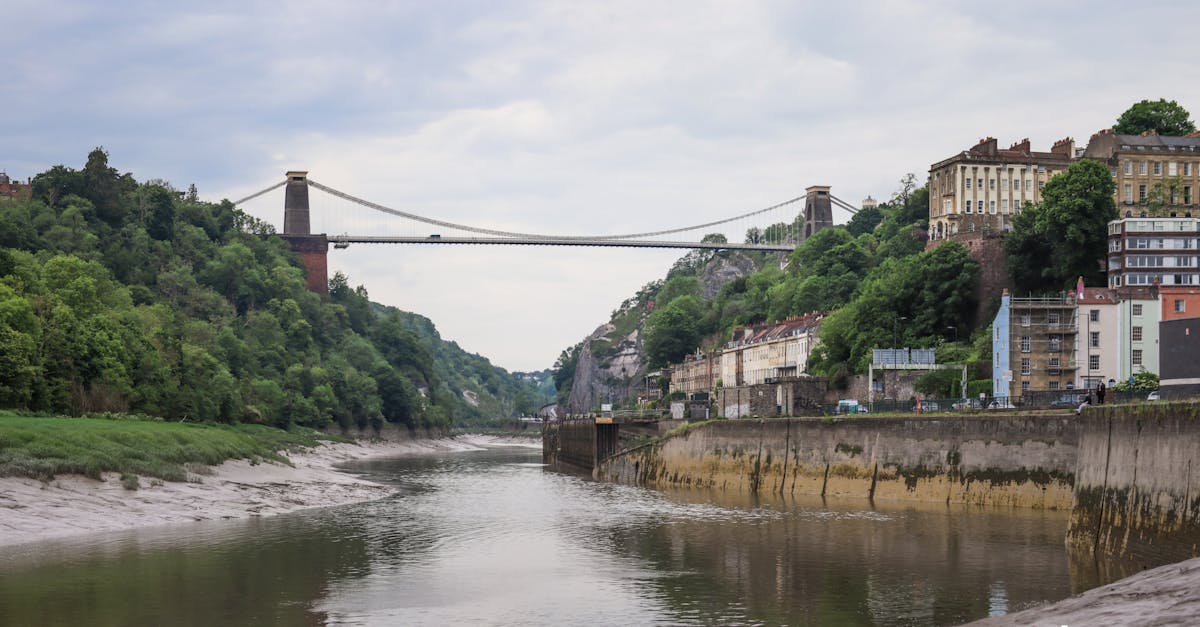
At Lacock, Peckingells and Claverton the river changes mood as light falls. Barbel move into predictable positions along flow seams where faster current meets slow eddies; these seams funnel naturals and baits and make feeding efficient.
The transition is staged: a fish will drift into a swim, nose-check offerings, then settle with a head‑down posture and lateral tail waving as confidence grows. That head drop and tail flick sequence is the clearest sign that a strike will soon pay off.
Reading the Avon at dusk
Weirpools and broken water are prime evening real estate. Territorial barbel park in oxygenated margins and patrol short beats. Rival fish will flash flanks and posture; dominant fish hold the seam and force subordinates to edge feeds.
Rod‑side signs matter: a slow line pull, sudden slack, or a steady tail ripple across the surface demands calm, measured strikes. The angler who watches head angle, watches flow seams and waits beats frantic casting every time.
Conservation is part of the scene; many Avon specialists play fish quickly and revive them in deep, cool glides before release. At dusk a single barbel slips out of a seam, tail flicks twice, and the rod tip dives into black water.
Recommended: folding landing net