
Exe grey mullet at dusk
Exe estuary mouth, Exmouth: evening shoals of Chelon labrosus
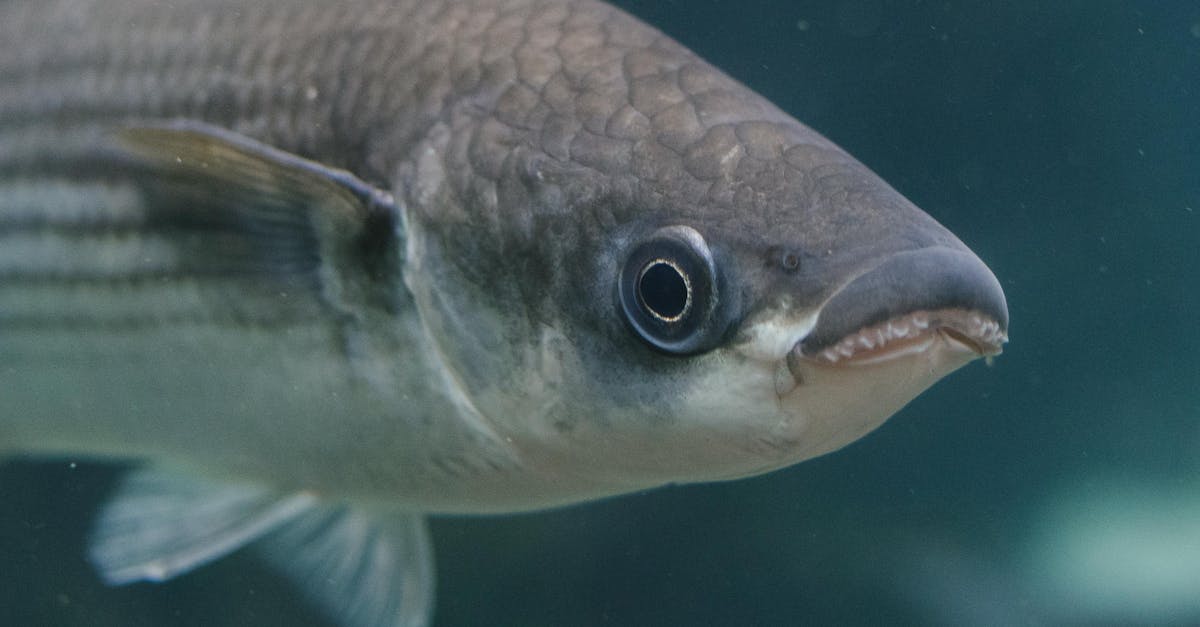
At the Exmouth waterfront, when the tide eases and the plankton pulse arrives at dusk, thick‑lipped grey mullet (Chelon labrosus) concentrate in the top 1–2 m over mud and sand edges. Shoals become visible as a faint silver film under the last light; slack water and low surface turbulence do the rest.
Where to watch and intercept
Bank anglers working the Lympstone to Starcross margins and the estuary mouth should favour shallow margins and tide seams rather than the main channel. Mullet patrol soft bottoms where plankton and suspended detritus collect; weekly plankton pulses can tighten fish into compact, sightable groups.
Tackle and baits are straightforward: a 9–11 ft light spinning or float rod with 4–8 lb main line, 3–6 lb fluorocarbon hooklength, and fine‑wire size 10–14 hooks. Popular baits are bread flake, crust pieces or maggots. A light spinning rod and a small float suit the stealthy presentations needed in clear estuary water.
Cast up‑current and across so the bait drifts naturally into the shoal. Freelined bread or a tiny float often outperforms bulk rigs; keep terminal tackle minimal, pause the retrieve and let the bait hang in the drift line when fish are milling. Bank anglers who move quietly and watch the surface film get the best sight‑casts as dusk deepens into evening—shoals breaking into silver arcs beneath the orange afterglow.
Recommended: sensitive small float