
Fal estuary dusk topwater beats
Evening topwater beats on the Fal estuary: Mylor, St Mawes, Pendennis
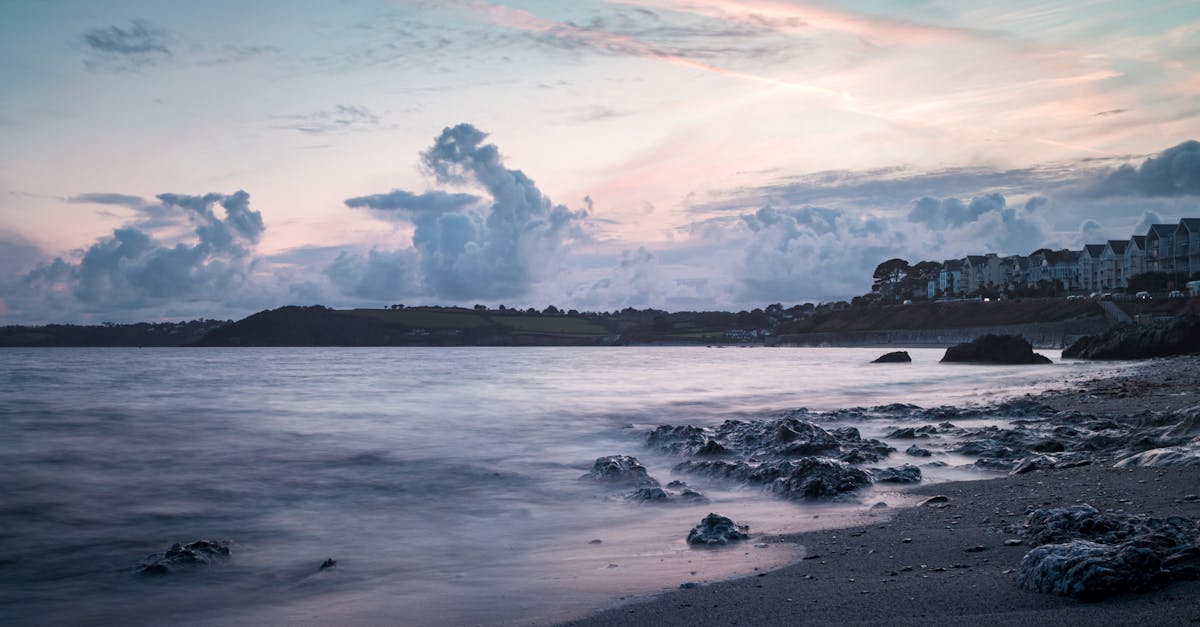
Location beats
The Fal estuary around Falmouth offers accessible dusk ambushes for bass (Dicentrarchus labrax) and grey mullet (Chelon labrosus). Three slipway-friendly beats stand out for weekend trips. Mylor Creek yields biblical mullet congregations in shallows of 2–5 feet at dusk, ideal for surface pops when visibility drops. The Porthcwl channel by St Mawes produces neat mullet runs with bass chasing tight to shore in 3–8 foot gutters. Pendennis Headland railings give lit night access to spinning anglers casting from rocks at depths of 10–30 feet near the estuary mouth; Fal deeper channels run to c.100 feet at low water further out.
Tide windows
Best ambush windows are the last two hours of the flood into the high-water stand, when mullet move into creeks and bass lie in wait, and the start of the ebb at dusk (roughly 1–2 hours after high water) when bass switch to hunting in 5–15 foot gutters. Spring tides in April–May heat shallow flats and intensify topwater action.
Lures and tackle
Topwater favourites include the 4–6 inch Storm Arashi Cover Pop used with pop/chug or walk-the-dog retrieves to mimic fleeing mullet, plus small prop baits and stickbaits of 3–5 inches for erratic twitches over 2–6 foot water where mullet will sip surface lures. Light tackle enhances strikes: 7–8 foot ultra-light spinning rods with 10–20 lb braid and a fluorocarbon shock leader are a practical estuary setup.
Species behaviour and conservation
Bass prowl estuary edges at dusk for mullet pods and will slash topwaters in backwaters; grey mullet hug structure and readily sip surface offerings in Cornwall's Fal system. The estuary holds quality bass year-round, with regular sunset sessions producing fish in the 3–6 lb range. Anglers are urged to use barbless hooks, wet handling and quick photography to protect broodstock and support local catch-and-release efforts led by Cornish estuary groups.
Recommended: 7-8ft spinning rod