
Five Itchen bank‑stalking tips
River Itchen: 10ft 4wt dry fly rod and a size 16 Parachute Adams
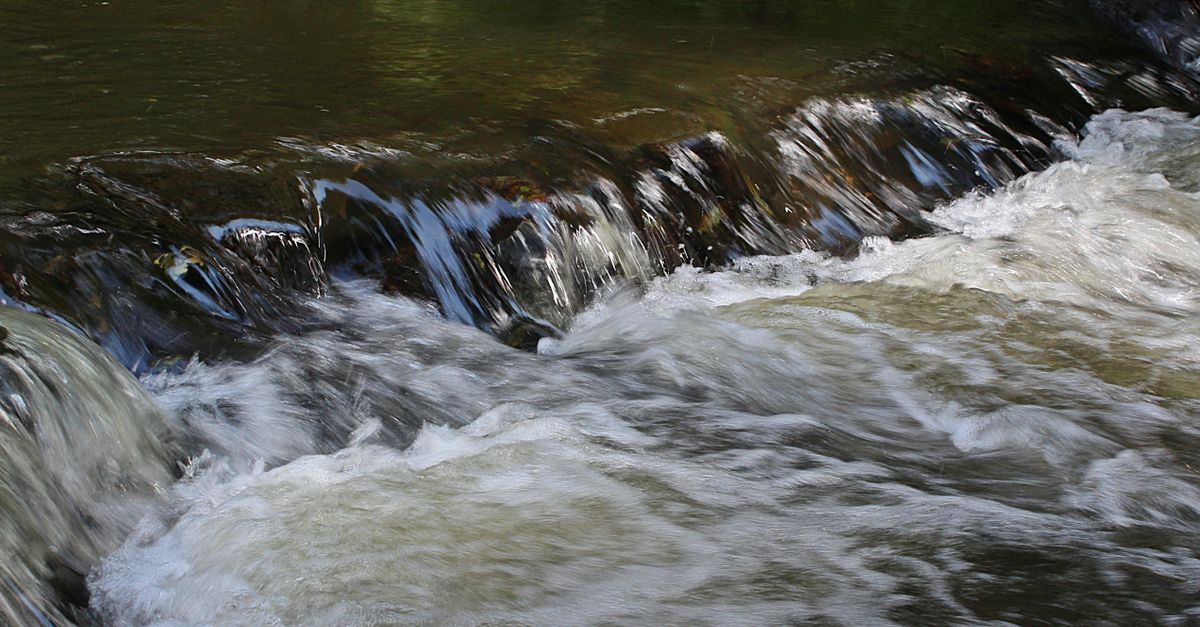
Short‑line presentation wins on the Itchen. Cast the small Parachute Adams upstream about 2ft ahead of the trout, then lift the rod tip subtly to induce that take; no false casts over the fish that will spook a wary brownie.
Step‑by‑step stalking
Move slowly along mowed bank paths or edge the reeds in muted clothing. Wade step‑by‑step, pausing on each stable foot placement. When water is stable, fish from the bank to reduce disturbance; when wading, pick boots with soft soles and low impact on chalk beds.
Evening seam reading is decisive. Fish low light at dusk or early morning, watch the trout’s mouth for rises during upwing hatches — pale watery’s, BWOs and iron blues in sizes 16–20. Trout tuck tight against overhanging willows, reed beds and undercut banks; target weir pools and channels between weed beds.
Leader and tippet tweaks are simple: use a 12ft leader with 6X tippet in low clear water so small flies drift true. Fish without bulky indicators; a small sheep’s wool tuft gives a soft, natural silhouette when a visual aid is needed. First casts matter — the first drift into a fresh lie often produces the best hook‑up.
Gear notes: an 8½–10ft rod, 3–5wt line, 2lb breaking strain and sizes 16–20 flies suit the chalk stream. Big brownies reuse favoured lies for weeks; return to the exact spot with the same fly and presentation.
Light fades; a trout sips the parachute in the willow shadow and the leader goes tight against the polished chalk.
Recommended: ultra-fine tippet nylon