
Five visual cues on Test & Itchen
Wherwell on the River Test lights up between 18:00 and 20:30 in July
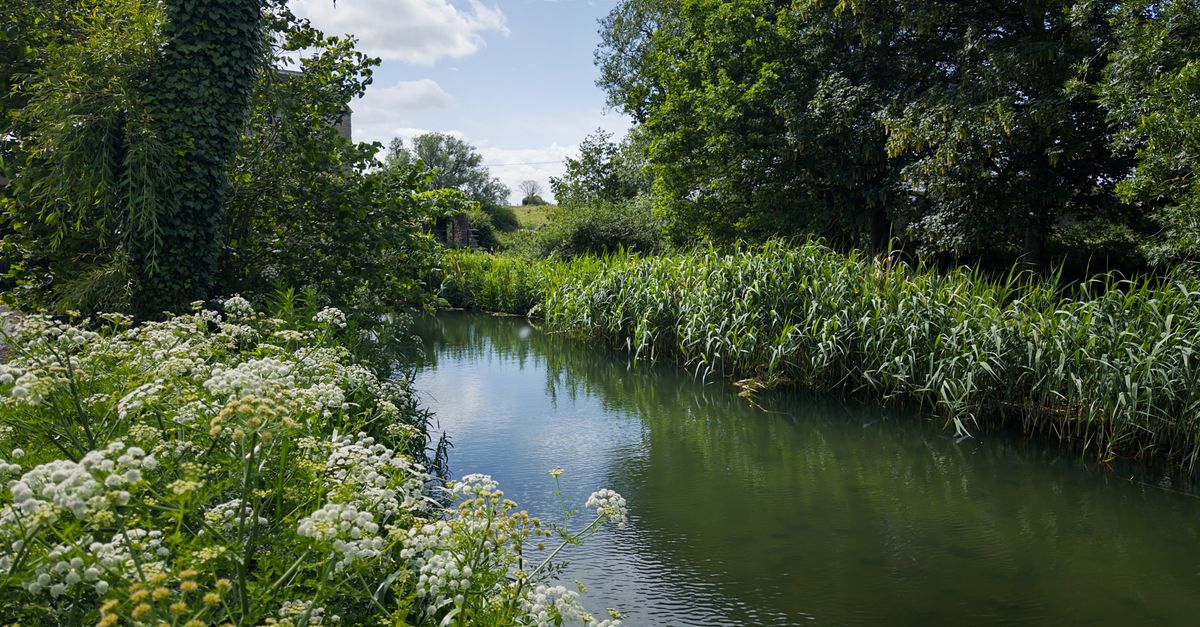
Undercut banks and fallen trees mark the first obvious lies; trout tuck into the lee where current peels away. Tight bends that cut rifts in the flow form clear holding spots, as do slack pockets behind submerged boulders and stick jams where water slows to 40–70 cm deep.
Approach silently. Use polarising lenses to pick out fish shadowing roots or facing upstream in the gutter. The brown trout common to Test and Itchen — often 30–50 cm — sit with noses into the flow, ready to sip emergers or snap a small wobble.
Rig and presentation for narrow corridors
Match gear to the scene: an ultralight spinning rod 150–180 cm with a fast tip gives pinpoint casts between overhanging banks. Spool a size 1000 reel with 0.12–0.14 mm line or 5–6 lb fluorocarbon. Tie a CDC dry in sizes 14–16 with a dropper 2–3 cm below.
Fix the dropper to a 1–2 g micro jig head, or a tiny suspending lure 3–5 cm when fish go cold. Cast upstream, dead-drift with the current, let the dropper sit at the 40–70 cm seam and twitch gently. After 3–5 minutes without contact swap to a micro wobble or add a centimetre of feather to the jig head.
Stealth, precise upstream casts and reading those five visual cues turn tight chalk-stream corridors into reliable evening beats. A trout slides out from under a sycamore root, silver flank flashing into the lamplight.
Recommended: polarised fishing glasses