
Hampshire Chalkstream Fly Heritage
The fly‑tying heritage of Hampshire chalk streams
A birthplace for the dry fly
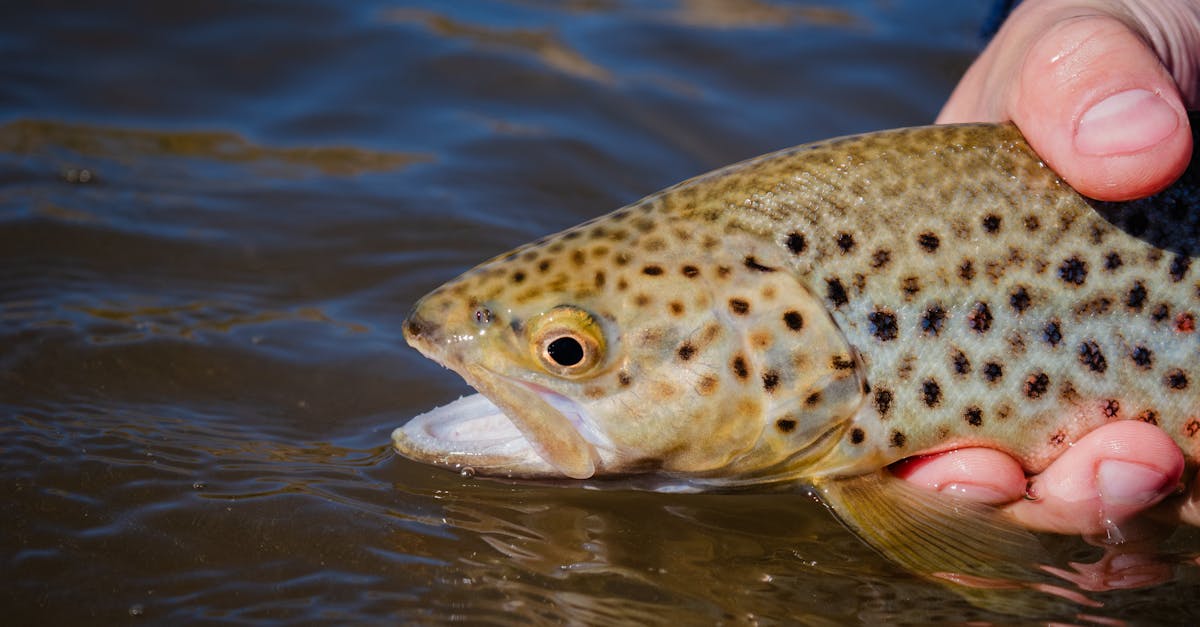
On the crystalline River Test—near Longparish and the weed-fringed glides by Mottisfont Abbey—Frederick Halford refined upright dries for gin-clear water averaging 2–4 feet deep. His Hackled Grebes and Mayfly imitations, often dressed as sparse, hackled patterns, were designed for green drake (Ephemera danica) May hatches and Baetis olives through summer. Anglers cast 10-foot #4 rods with furled leaders to present delicate upstream flies to brown trout up to about 3 pounds.
Skues, soft-hackles and subsurface craft
Fifteen miles east on the River Itchen, Winchester beats saw G.E.M. Skues promote soft-hackles and nymphing. Patterns such as Little Claret and Black Spider, tied in sizes 14–18 and swung through 3-foot carrier streams, imitated caddis pupae and freshwater shrimp (Gammarus pulex). The River Dun and smaller Meon tributaries preserved many of these tactics as local lore.
Legacy on modern brown trout tactics
The debate between Halfordian dry purity and Skuesian nymphing shaped 20th‑century angling: local Test and Itchen patterns taught anglers to read hatches, match size and posture, and combine surface dries like the Red Quill with soft-hackles such as a Test Grey Wulf. Chalkstream brownies remain a culinary and cultural touchstone—often pan-fried in village inns—yet their true legacy lives in the flies tied and cast along Hampshire’s spring-fed waters.
Recommended: 10ft #4 fly rod