
Frome Evening Hatchlines
River Frome in Dorset: 60–90 minute brown trout rises on chalk beats
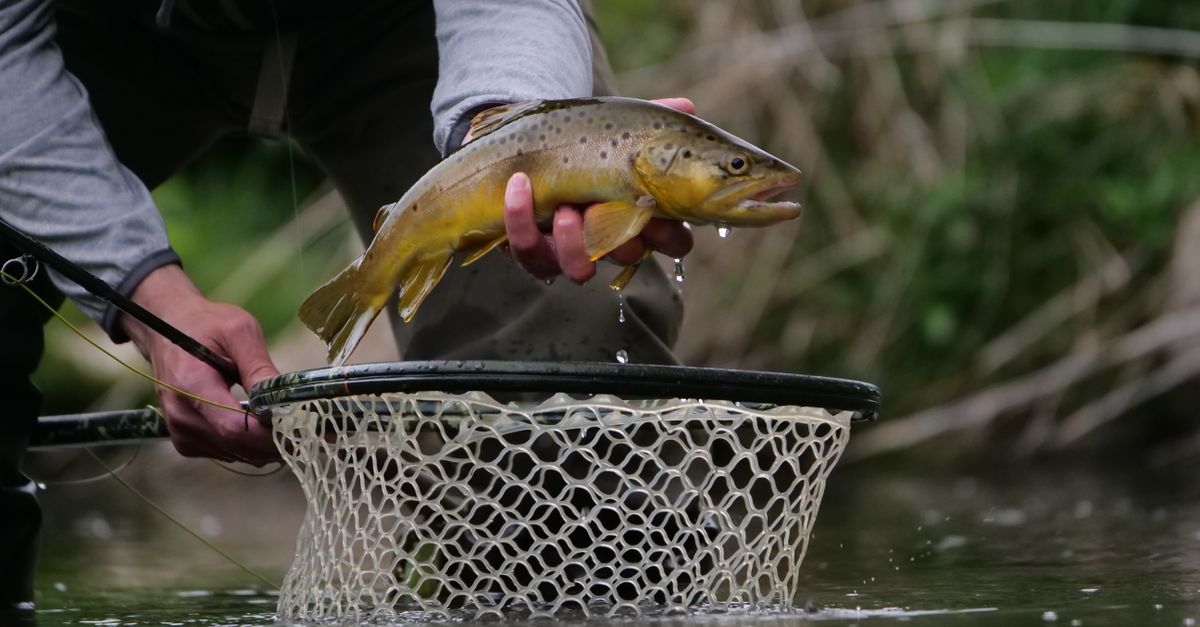
On warm spring evenings, when the River Frome steadies above 11–12°C, synchronized caddis and mayfly emergences force trout into short, savage feeding windows lasting sixty to ninety minutes. Beats that hold 0.5–1.2 m water depths turn into theatres of surface sips, subsurface strikes and tight-line refusals.
Timing and insect behaviour
Caddis follow a one-year cycle: eggs for a fortnight, larvae most of the year, pupae for weeks and adults that can survive weeks longer than mayflies. Mayflies blast the evening skies for a few days; when both overlap the trout go ballistic. Emergers are taken just below the film; bubbles on the rise mean trout are taking flies off the surface.
Tackle on the Frome is subtle: 4–6 wt, 9 ft rods, fine tippets 0.12–0.15 mm and flies in sizes 14–16, with a useful range of 12–18. Effective patterns include Tan Caddis Larva, Deep Sparkle Pupa and X-Caddis, with Elk Hair Caddis as the go-to adult imitation.
Chalk-stream craft matters: cast upstream, feed flies tight to riffles and trust short leaders on dusk drifts. Evening egg-laying flights concentrate bugs over shallow margins; a patch of bubbles and a flash in the last light tell the angler the Frome has switched from quiet to furious under the gauze of dusk.
Recommended: fluorocarbon tippet