
G.E.M. Skues and the nymphing revolution
G.E.M. Skues and the nymphing revolution
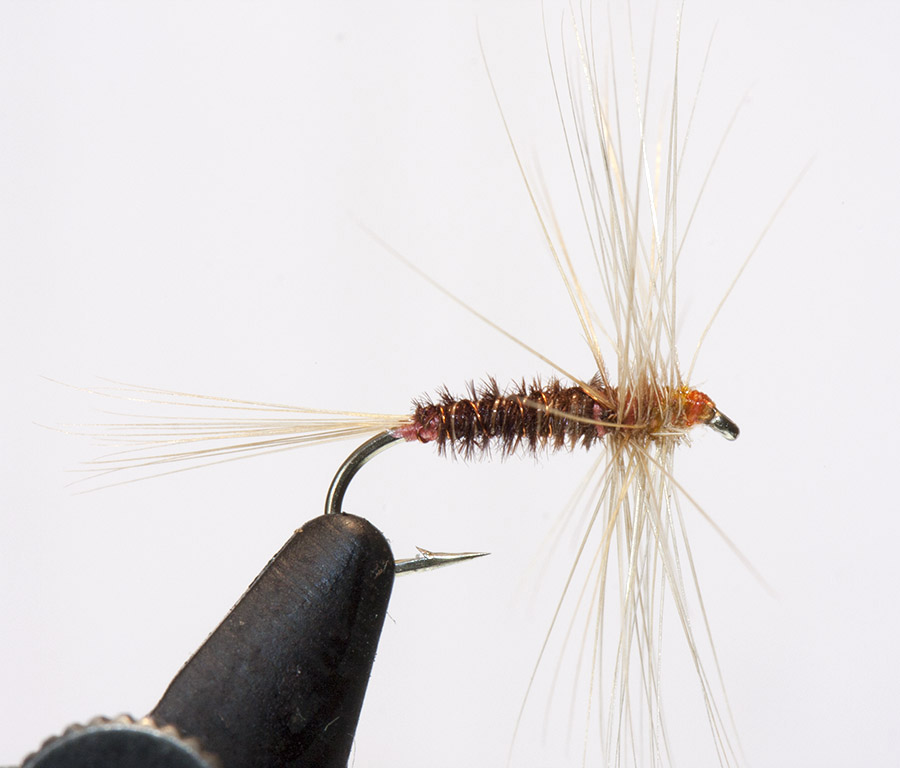
Unexpected challenger on chalk streams
George Edward MacKenzie Skues, a largely forgotten household name outside angling circles, quietly overturned a rigid Victorian fishing canon on England's celebrated chalk streams. Operating on rivers such as the Test and the Hampshire Avon in the late 19th and early 20th centuries, Skues argued that trout feeding below the surface deserved as much tactical respect as those taking dry flies. His meticulous observations and practical innovations—collected in works including The Way of a Trout with a Fly (1921)—introduced nymphing techniques that were considered heretical by proponents of Frederic M. Halford's dry-fly orthodoxy.
Controversy and legacy
The debate between dry-fly purists and nymphing advocates became a defining cultural episode in British angling, affecting etiquette on the Test, Itchen and other chalk streams. What began as a local tactical dispute evolved into a lasting shift: many modern trout anglers now rely on nymphing as a core method. Skues's emphasis on natural behaviour, insect life beneath the surface, and careful presentation reshaped not only tackle and fly design but also how generations approach specimen trout fishing in the United Kingdom.