
G.E.M. Skues and the nymphing revolution
G.E.M. Skues and the nymphing revolution
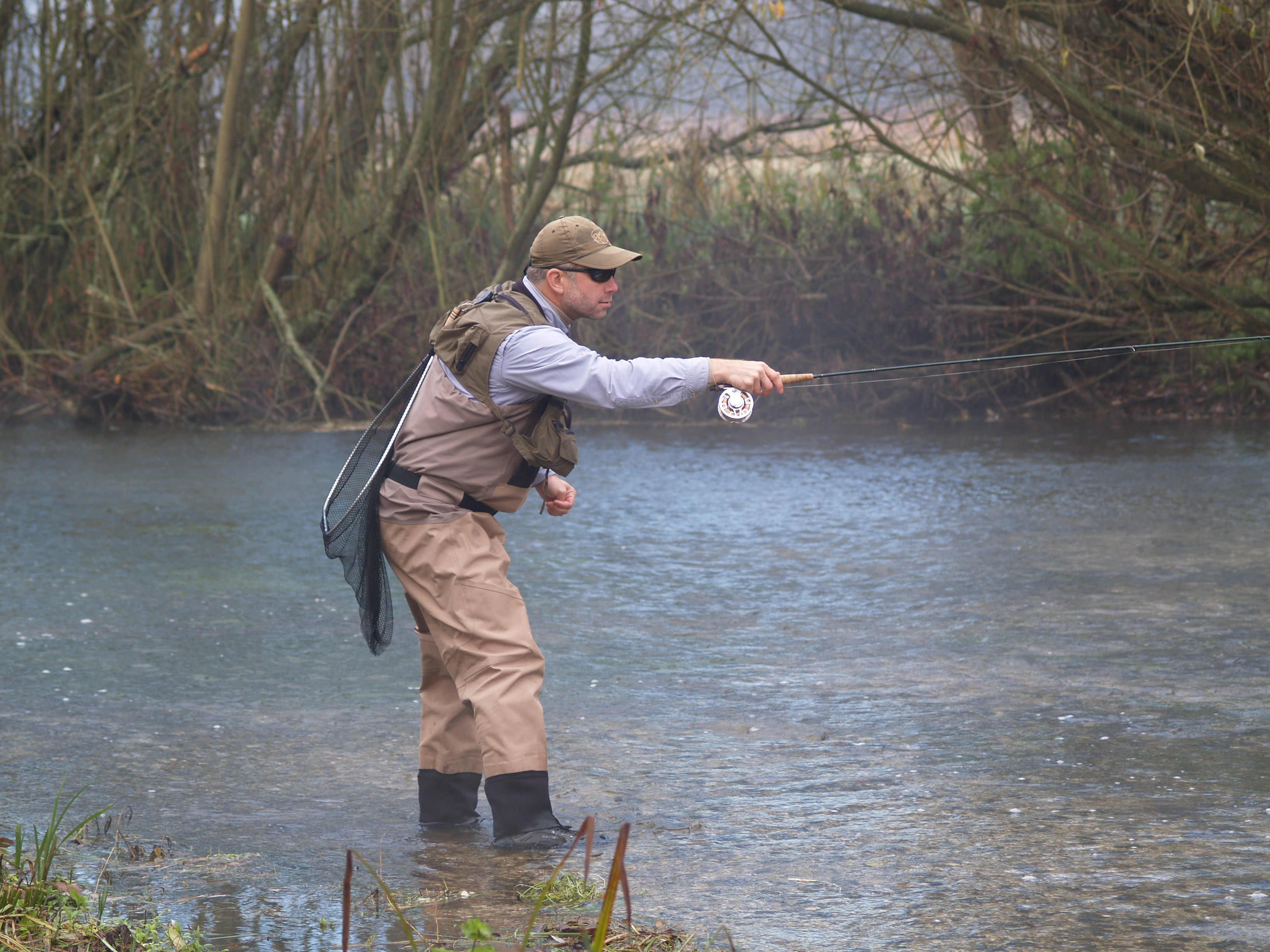
Contrarian of the Chalk Streams
G.E.M. Skues, a Victorian-era solicitor and angler living near the River Test and Hampshire Avon, pioneered sub-surface nymph fishing for brown trout on England’s chalk streams. In the early 20th century his books The Way of a Trout with a Fly (1921) and Nymph Fishing for Chalk Stream Trout (1926) challenged the prevailing dry-fly orthodoxy associated with Frederic M. Halford. Based on prolonged observation of trout behaviour, Skues argued many takes occurred beneath the surface and developed upstream nymphing tactics and realistic imitations tailored to the Test and Avon’s clear, chalky waters.
Lasting cultural impact
The debate over nymphing reshaped British angling culture: a technique that began in Hampshire became a cornerstone of modern fly fishing worldwide. Less widely noted is the social consequence—Skues’s methods broadened acceptable practice within English angling clubs and prompted closer ecological study of chalk-stream feeding habits, aiding later conservation-minded anglers. The River Test and Hampshire Avon remain pilgrimage sites for those studying classical nymphing, and echoes of Skues’s ideas persist in guides used from southern chalk streams to Scottish lochs.