
From Halford's Pages to the River Test: The Birth of Chalk‑Stream Dry‑Fly Fishing
Frederick M. Halford’s 1889 book reshaped angling on the River Test and beyond.
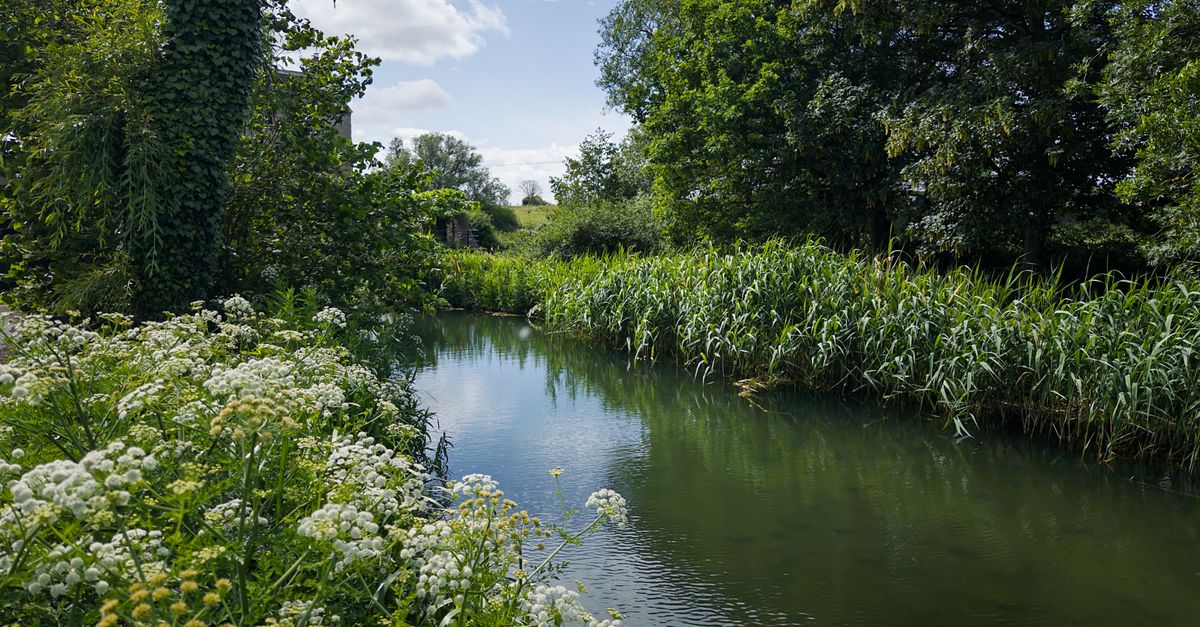
The chalk streams of southern England — the Test, the Itchen, the Hampshire Avon — offered something different: clear, spring‑fed water, steady temperature, and a trout that reads the surface. Halford codified a strict, upstream dry‑fly method aimed at fooling the most selective brown trout.
Technique and temperament
The dry‑fly became a ritual. Line control, delicate presentation, a hair‑thin leader and a perfect float were everything. Presentation mattered more than brute force. Greased silk, gut leaders and long, stiff rods lent authority to Halford’s style; later outfits softened, but the principle stayed: match the hatch and let the fly drift true.
G. E. M. Skues later nudged the tradition with nymphing theory, arguing that trout often take below the surface. That debate kept chalk‑stream angling lively through the 20th century and refined tactics rather than replacing them.
Today the same rivers host anglers in waders, casting dry flies at rising trout under beeches and willows. The scene is unchanged in one crucial way: a trout sipping a March fly on the Test still settles arguments better than any textbook.
Recommended: breathable chest waders