
Halford and the Chalk-Stream Dry Fly
Frederic M. Halford and the Chalk-Stream Dry Fly
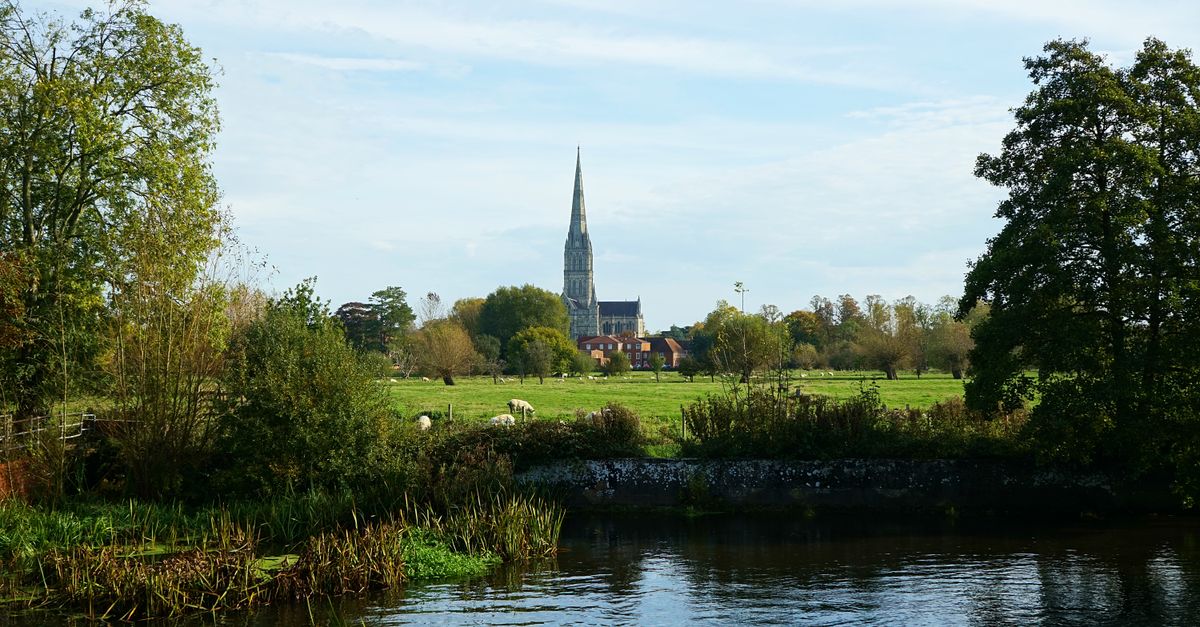
Frederic M. Halford's writing fixed a way of fishing to the pale gravels of the River Test and the Itchen. Anglers learned to present an upstream dry fly so delicately that a brown trout rising in gin-clear water never suspected the deception.
Chalk streams run cold and clear from underground springs. That chemistry makes weed, invertebrates and the trout's wary eye unusually visible. The technique demanded light tackle: a long, fine rod, breathable waders, close observation and flies tied to imitate mayfly and sedge at the surface.
Technique and debate
Halford's upstream dry-fly rig became orthodoxy among southern anglers. Later, G. E. M. Skues championed nymphing where trout ignored the surface, and that counterpoint broadened practice rather than ending it. Modern chalk-stream fishing embraces dry fly, nymphs and precise wet flies as tools in a single toolkit.
The style is patient, exact and quietly combative: a mend to stop drag, a leader change to match rise forms, a fly dressed to catch the subtlest hatch. Success reads as rhythm and tiny corrections rather than brute power.
A dry fly settles on glass, a soft swirl, then a brown trout pulls the line taut and the pale gravel remembers another take.
Recommended: breathable fishing waders