
Halford and the Chalk-Stream Dry-Fly Story
1889: F.M. Halford's dry-fly doctrine and the chalk streams
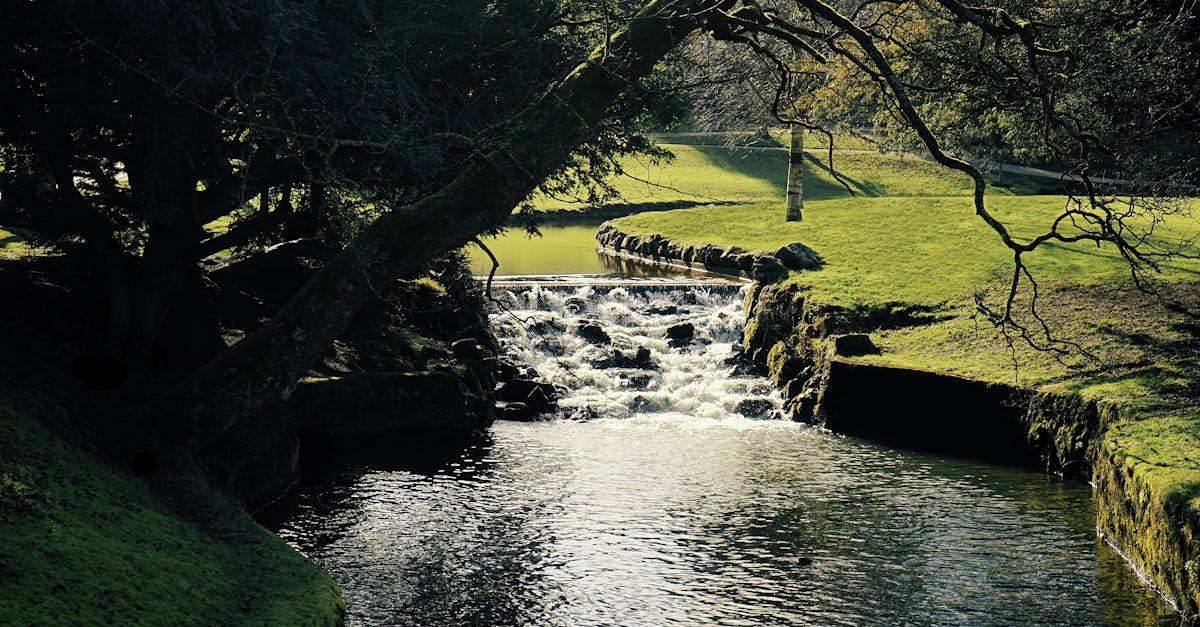
Frederic M. Halford's Dry-Fly Fishing in Theory and Practice put the River Test and the River Itchen under a new light. Chalk streams became laboratories for a single pursuit: presenting a dry fly to wary brown trout on crystal gravel runs. The water is clear, the flow patient, and the light shallow. A chalk stream carries limestone-filtered water over chalk and flint; the clarity reveals trout's mottled flanks, water crowfoot beds and the silt-free gravel where mayfly nymphs emerge.
Anglers learned to read water that looks simple but moves in subtle seams. Dry-fly technique demanded stealth, precise casting and careful selection of imitation. The rig is light; line and leader matter. A fine rod and waterproof waders are standard. Long afternoons on tailwaters yield takes from brown trout and grayling, and occasionally a pike slips from a willow margin.
Why the chalk matters
Groundwater-fed flows keep temperature and clarity stable year-round, nurturing invertebrate life and defining the season by mayfly and caddis hatches. The chalk stream's predictable pulse shaped fly patterns, casting styles and angling etiquette—upstream presentation, gentle approach, the art of waiting.
On a low summer evening an angler casts a pale dun and watches a trout sip the fly in a precise half-second. Halford's pages still sit in the boat bag. The scene is unchanged: trout, fly, rod, and the slow certainty of clear water over chalk.
Recommended: breathable chest waders