
Halford and the Chalk-Stream: The River Test's Dry-Fly Legacy
Frederick M. Halford's 1889 rules for the River Test
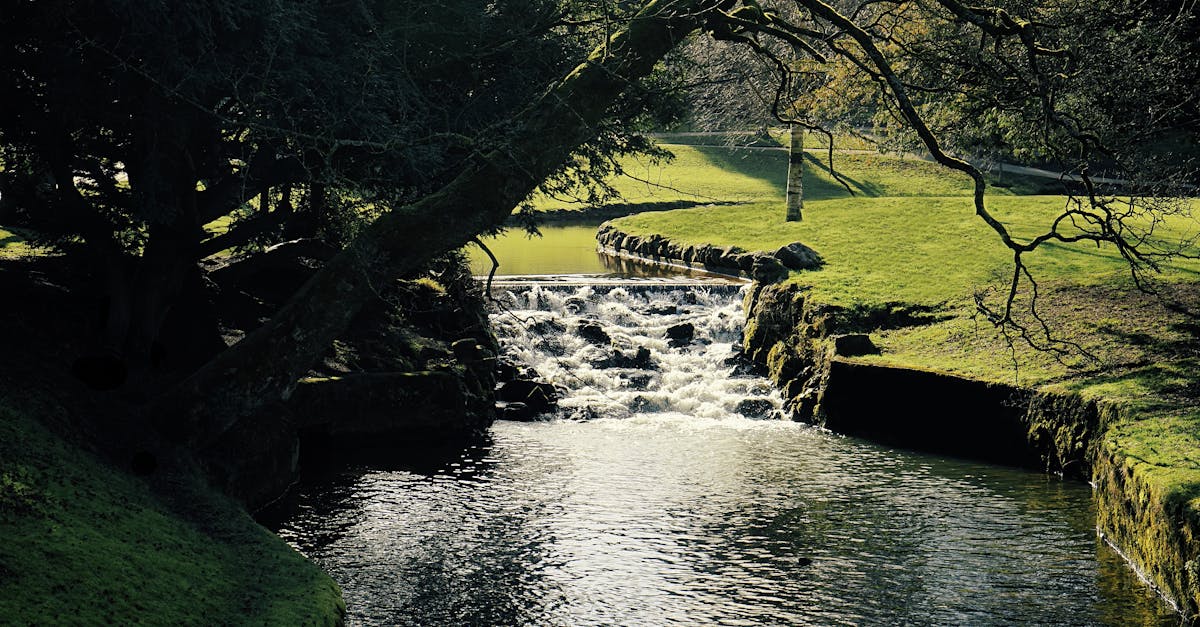
The chalk streams of Hampshire — the Test, the Itchen, the Avon — produce water so clear the riverbed reads like a map. Brown trout rise with precise, confident sips. Anglers learned habits here. Halford distilled behaviour into technique and etiquette, insisting on the dry-fly, upstream presentation and a reverence for stillness.
These rivers run cool and green through water meadows and watercress beds. The substrate is fine gravel, the flow steady, the fly life rich. A classic cast on the Test is about line control and patience, not brute power. Fish take delicately; the angler responds with finesse: long leader, thin tippet, light hook. The old cork-handled fly rod gave way to modern carbon, but the rhythm remains.
Technique and temperament
Dry-fly fishing on chalk streams favours sight and subtlety. Presentation matters. Fish are territorial and selective; a hatch can change everything in minutes. Grayling appears in winter and spring, trout throughout the season. Waders are part of the kit, as is a careful approach along marginal reeds and banksides.
Local beats kept traditions: upstream casting, single hooked flies, respectful silence. The debate between Halfordians and nymph anglers sharpened the craft, producing conversations that still echo along chalky banks. Dawn on the Test: a pale line of mist, a dry fly skimming, and a trout turning like a clock hand under the surface.
Recommended: 9ft 5wt fly rod