
Dry‑Fly Country: Halford, the River Test and England’s Chalk Streams
River Test chalk lanes and a fly tied to a trout’s back
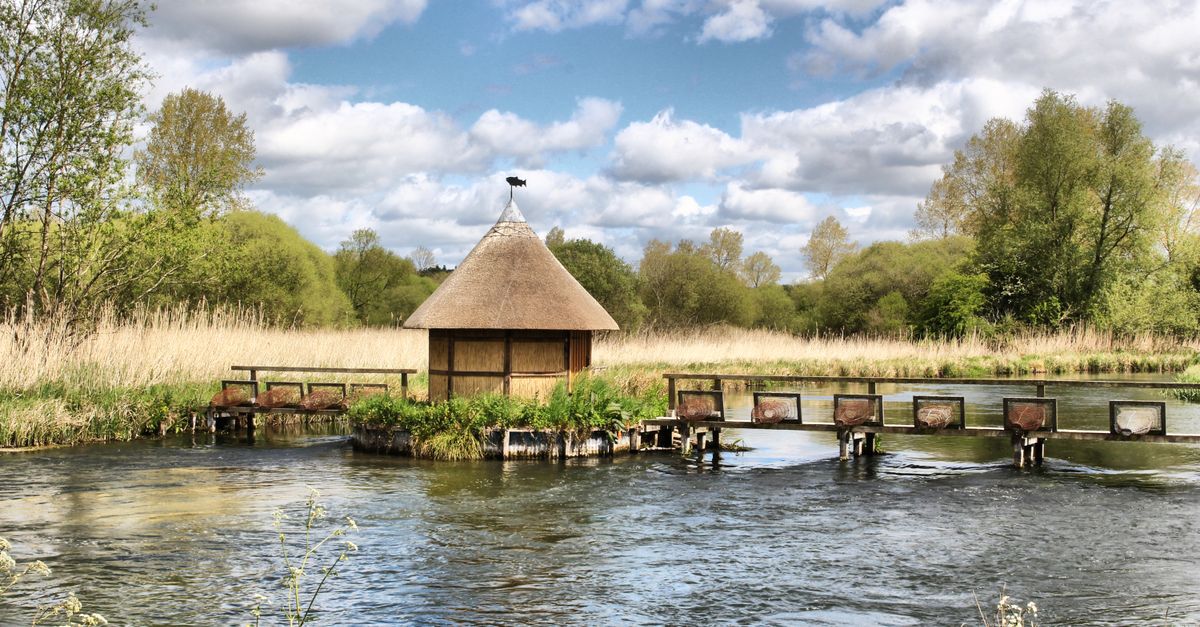
The River Test is the archetype: gin‑clear water, gravel runs, and olive‑winged mayflies rising in orderly patches. That setting bred a style of fishing that reads like an instruction manual for patience — the dry‑fly school perfected on Hampshire chalk streams.
Frederic M. Halford is the name most anglers meet in those pages. He argued that a fly floating true, presented precisely, beat all other tricks when brown trout watch the surface. The technique demanded delicate tackle, immaculate casts and an eye that reads risers like punctuation.
Technique and tackle
Presentation came before power. A slender rod, tight tapered line and a carefully chosen pattern — often an indistinct olive or dun — became the kit. The river’s clarity makes sight fishing the rule: trout take by sight, not smell. Waders were part of the ritual, moving quietly between lies to avoid spooking fish that know every pebble.
Dry‑fly fishing shaped angling culture: artificial flies tied to match local insects, careful stalking, and a reverence for conservation born of wanting future rises. Grayling and chub share those lanes, pike wait in the margins, but it is the brown trout that taught the lesson — look close, cast true, and the surface will answer.
Recommended: waterproof chest waders