
Halford’s Dry-Fly: How Hampshire Chalk Streams Changed Trout Fishing
1889 — Frederic M. Halford’s dry-fly method from Hampshire
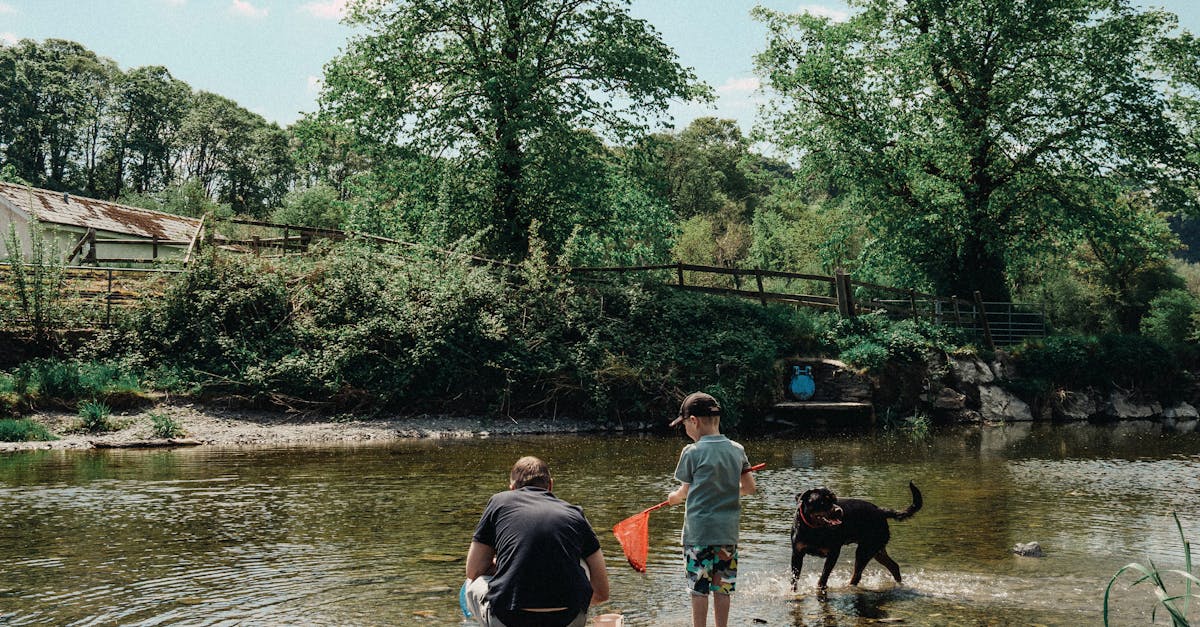
1889 saw Dry-Fly Fishing in Theory and Practice put into words, and the chalk streams of Hampshire provided the laboratory. Clear, spring-fed water, gravel beds and steady flows make rivers like the Test and Itchen perfect stages for brown trout and grayling to take a surface fly. Halford’s instructions on upstream presentation and carefully dressed flies turned instinct into technique.
The river that teaches you to cast
Chalk streams are precise rivers. Flow is constant, temperature steady, submerged weed and gravel create lies where trout sit, waiting for a mayfly drift. The dry-fly approach demands a light touch: a single-handed rod, long leader and an eye for matching the hatch. Presentation matters more than brute force.
Technique hardened into etiquette. Anglers learned to stalk quietly, to read ribboned currents and to change fly size by the hatch, not by habit. Landing a trout here is a conversation—silent, exact—between fly, fish and angler. Waders are part of the kit as much as a well-tied emerger or a soft tapered line.
The Hampshire school shaped tackle and teaching across Britain. Clubs, books and old photographs show willow nets, neat casts and riverbanks worn by respectful footsteps. On a spring morning the surface will ripple with mayflies and a brown trout will sip the top; the rod tip bends, the angler holds steady and sunlight flakes off the water.
Recommended: waterproof chest waders