
Halford, the River Test and the Birth of Chalk‑Stream Dry‑Fly Fishing
F. M. Halford's 1889 doctrine reshaped river fishing on the River Test and Itchen.
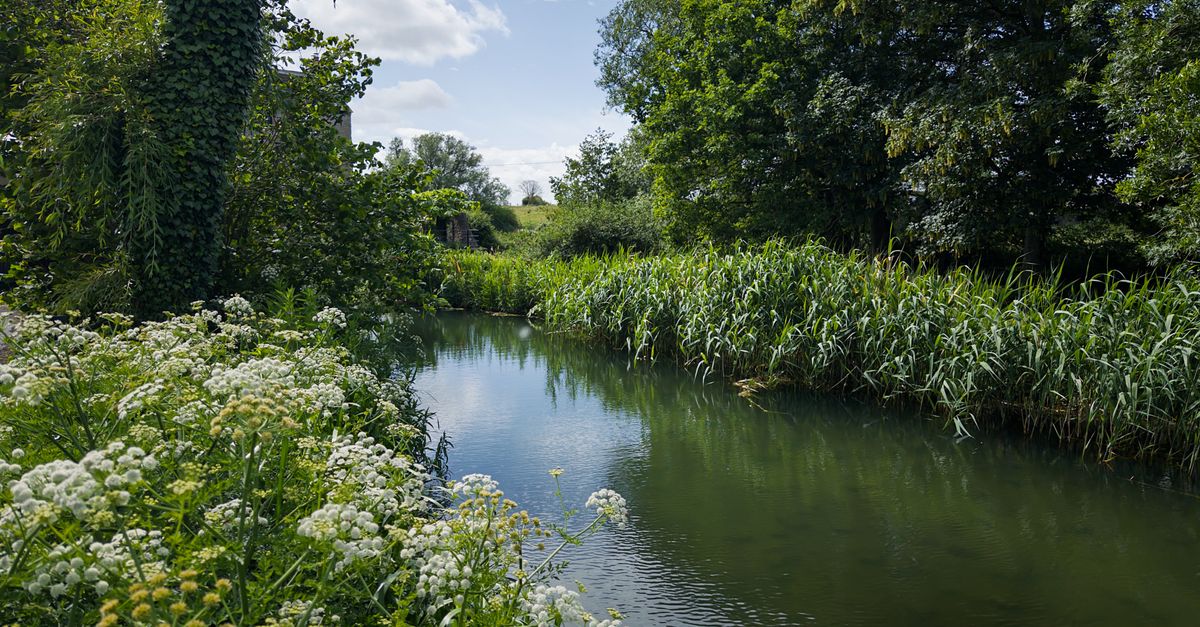
Halford insisted on a single, elegant idea: a floating fly presented upstream on chalk-clear water. The method lived on the gravel beds and winterbourne springs of Hampshire, where brown trout and grayling read the surface like a ledger.
Anglers learned to watch ripple seams and sunlit films. The chalk stream is shallow, with gravel, weed beds and a thin, steady flow. Precise casting mattered; so did the light touch of a dry fly landing like a midsummer insect. Gear followed philosophy: light rod, fine tippet, delicate artificial flies.
Technique and tackle
The dry-fly cast became ritual—position the cast, control drift, mend line, strike at the slightest take. Halford's influence pushed rods toward lighter actions and leaders to finer diameters. Modern instinct in the chalk stream still favours a soft presentation over brute force.
Beyond tackle, the rivers taught patience. Fish moved with season and water clarity. The angler learned to read holding lies: tail of a riffle, upstream edge of a weed bed, a bend channel on the Test. A careful approach, low profile, and well-timed rise were everything.
On a bright morning the scene is unchanged: a single dry fly drifting over pale gravel, trout lips breaking the film, and the rod tip bending under a clean, quick run.