
Halford, the River Test and the Birth of Dry‑Fly Fishing
Halford’s doctrine on the River Test reshaped how anglers present a dry fly.
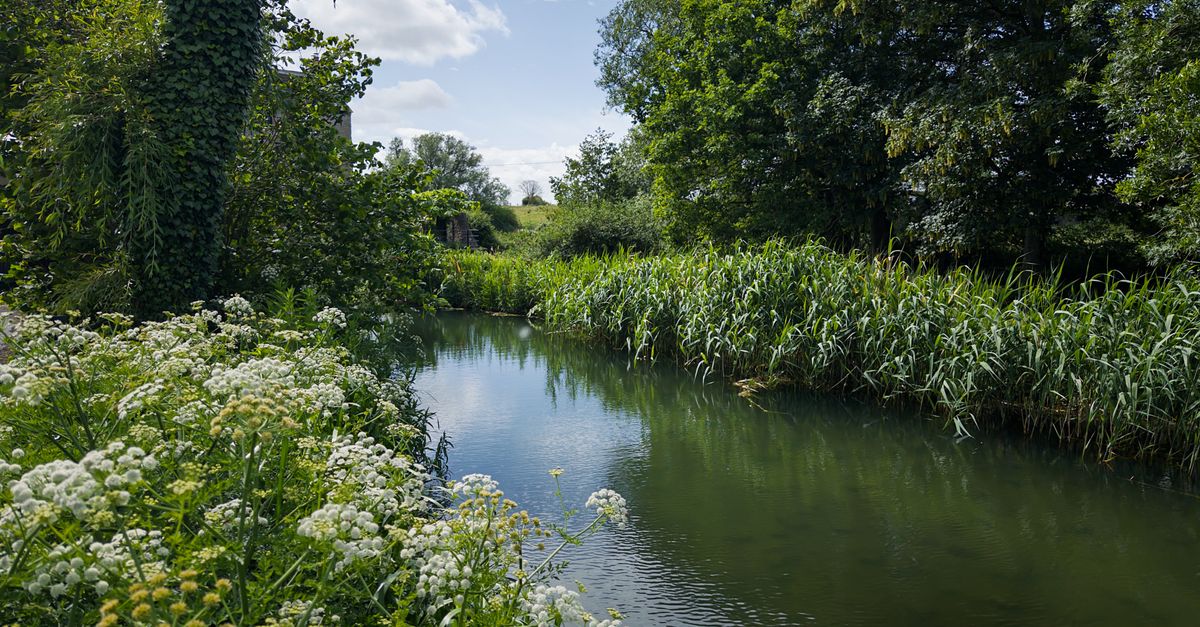
The clear, gravelly margins of the River Test produce brown trout that see everything. Presentation matters. The chalk stream taught precision: a delicate upstream drift, perfect alignment, no splash. That was the lesson of late‑Victorian anglers who turned technique into creed.
Chalk streams in Hampshire and Wiltshire offered conditions unseen elsewhere — constant temperature, limestone filtration and glassy currents. Brown trout and grayling live where flies sit still on the surface. The dry‑fly approach favours sight, stealth and timing over brute power.
From doctrine to nuance
Frederic M. Halford popularised strict dry‑fly rules; G. E. M. Skues later argued for nymphing where trout feed below. The debate pushed anglers to refine gear: lighter rod action, finer tippets, subtler leaders. Techniques matured rather than broke.
Today’s chalk‑stream angler blends Halford’s reverence for the dry fly with Skues’s realism. A tapered cast, a hovering fly, a trout that rises without a ripple — that moment remains the measure of the craft. Waders lace up, a favorite rod comes into hand, and the glassy water decides the rest.