
Halford, the River Test and the Birth of Dry‑Fly Fishing
Frederic M. Halford and the River Test
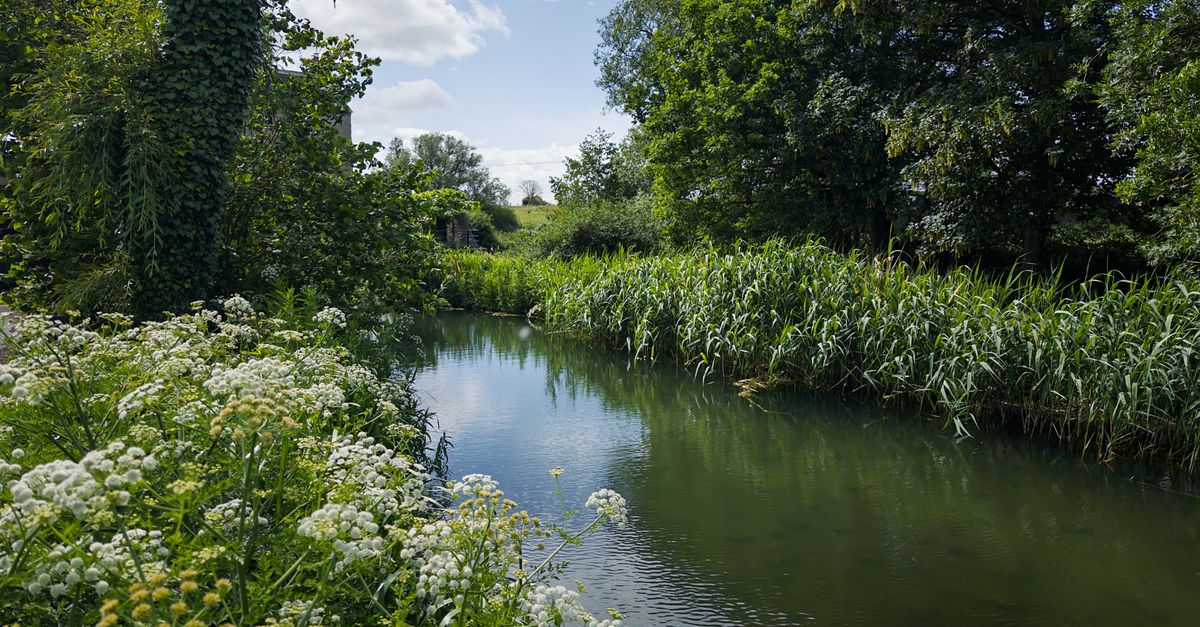
Frederic M. Halford insisted the trout of the River Test would only be taken on a floating fly. That assertion reshaped angling on England's chalk streams and set a template for fine‑water flycraft.
Chalk streams—clear, spring‑fed rivers running over chalk aquifers—produce the sighted trout so prized by dry‑fly purists. Halford codified the floating fly, light tackle and delicate presentation that suits brown trout and grayling in those waters.
The Skues counterpoint and technique
G.E.M. Skues argued from the same streams that trout often feed subsurface and that nymphing deserved equal standing. The stylistic duel between surface dry‑fly and subsurface nymph techniques emerged from the narrow, glassy beats of the Test, Itchen and Kennet.
Equipment followed the debate: slender rod actions, fine tapered leaders, stealthy flies imitating olives and sedges. Anglers learned to read runs, margins and the lace of water crowfoot. Waders are part of that quiet approach; the right rod keeps contact light and precise.
On any cool morning the glassy riffles of a Hampshire chalk stream still reveal a trout rising, a bright flash, the soft arc of a cast—an image that carried Halford's doctrine into every dry‑fly box that followed.
Recommended: breathable fishing waders