
How Halford and Skues Shaped Chalk-Stream Fly Fishing
Frederic M. Halford's 1889 book 'Dry-Fly Fishing in Theory and Practice' codified the chalk-stream dry-fly on the River Test.
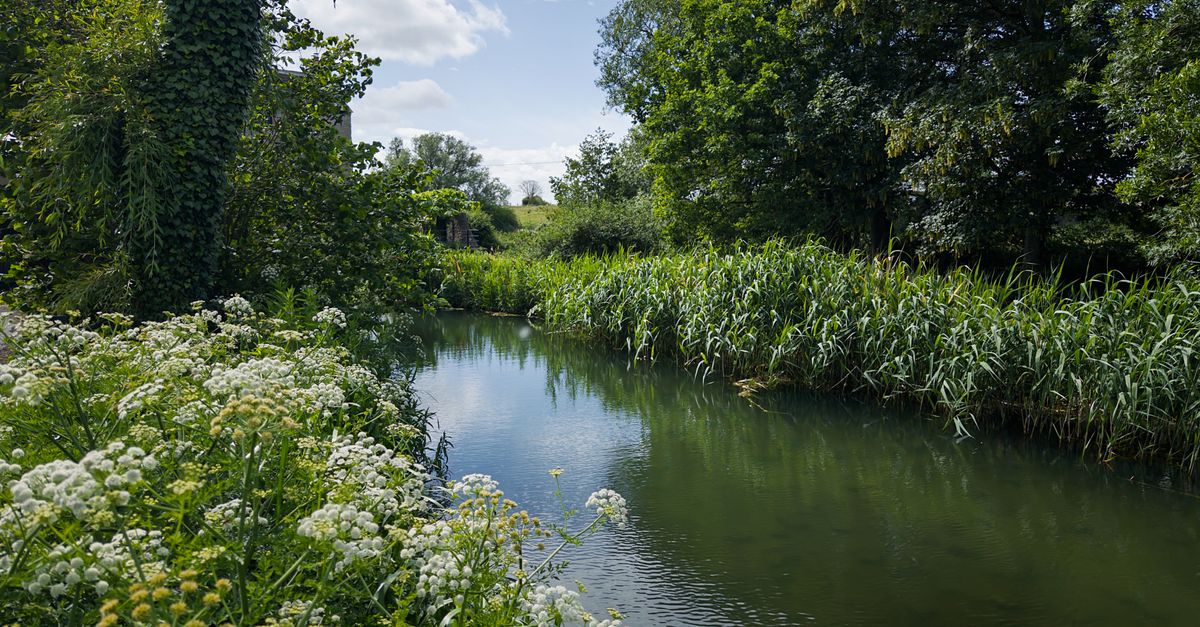
Clear, alkaline water, gravel beds and steady summer flows: that is the anatomy of a chalk stream. Hampshire and Wiltshire rivers such as the Test and the Itchen turned mayfly hatches into a precise theatre, and brown trout the reluctant stars.
Halford insisted on surface presentation. Long leaders, delicate tippets, and a single, immaculate dry fly. He wrote like a doctrinaire but the results spoke: trout rose to carefully placed imitations on glassy pools where every ripple mattered.
G.E.M. Skues brought a counterpoint. Nymphs, fished beneath the surface, reached trout that refused the dry. His methods kept the same reverence for presentation, but looked below the ring of the hatch. The argument reshaped tactics, not the ethic of delicacy.
Technique and tools
On a chalk stream the rod is light, often single-handed, the leader tapered to avoid spooking. Tippet material changed over time, but the aim stayed: imitate insect silhouette and drift without drag. Mayfly, olive sedge and small sedges remain the templates.
Today fishers still read Halford and Skues in parallel. Some cast dry flies over glassy runs; others look for the tell-tale subsurface bend that betrays a trout taking a nymph. A bamboo rod leaning against a willow, a reel with smooth drag, a trout sliding back to gravel—this is the chalk-stream scene.
Recommended: breathable fishing waders