
Halford, Skues and the Chalk‑Stream Legacy
Halford, Skues and the Chalk‑Stream Legacy
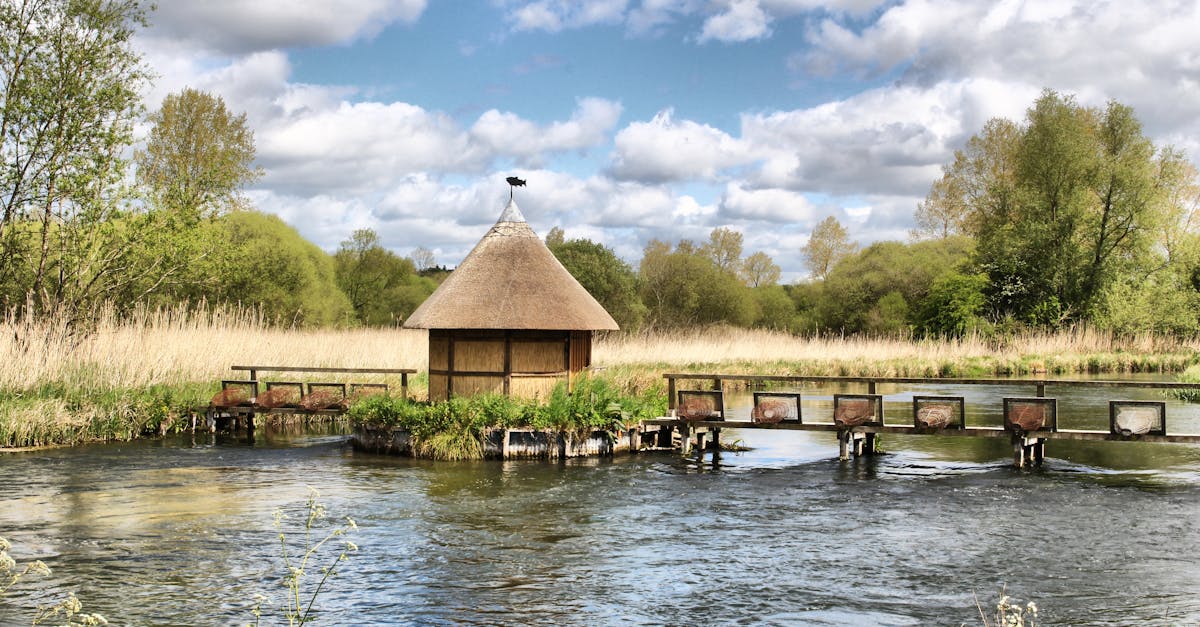
Frederick M. Halford built the dry‑fly doctrine on the River Test and Itchen; his name still carries weight in Hampshire beats. The chalk‑stream clarity forced technique into a sharp art. Presentation mattered more than power. Flies must sit like a coin on glass water.
Angling on those streams concentrated on brown trout and grayling. Fish in metre‑long lies were studied like coin collectors studying stamps. The water runs slow and bright; the trout see everything. That environment birthed a philosophy: match the hatch, fish the surface, move quietly.
The Skues counterpoint
G. E. M. Skues answered the dry‑fly orthodoxy with nymph tactics. He argued trout take subsurface, and that tactics—not dogma—win fish. The debate sharpened rigs and thinking. The result was better knots, subtler casts and more anglers carrying a selection of flies on a neat tin.
Gear followed ideas. Shorter, responsive rods for delicate loops. Lighter reels and tapered leaders that anchor a dry fly without splash. Waterproof waders let anglers stand in the current and reach the lies others only dreamt of. The chalk‑stream school altered tackle design across Britain and beyond.
The legacy endures: a careful cast, an accurate drift and the hush of a trout sipping a dry. On the Test at dawn, that single moment still decides who goes home smiling.
Recommended: breathable chest waders