
Halford, the Test and the Birth of Chalk-Stream Dry-Fly
Frederic M. Halford's 1886 book 'Dry-Fly Fishing in Theory and Practice' fixed a method to the chalk streams of Hampshire.
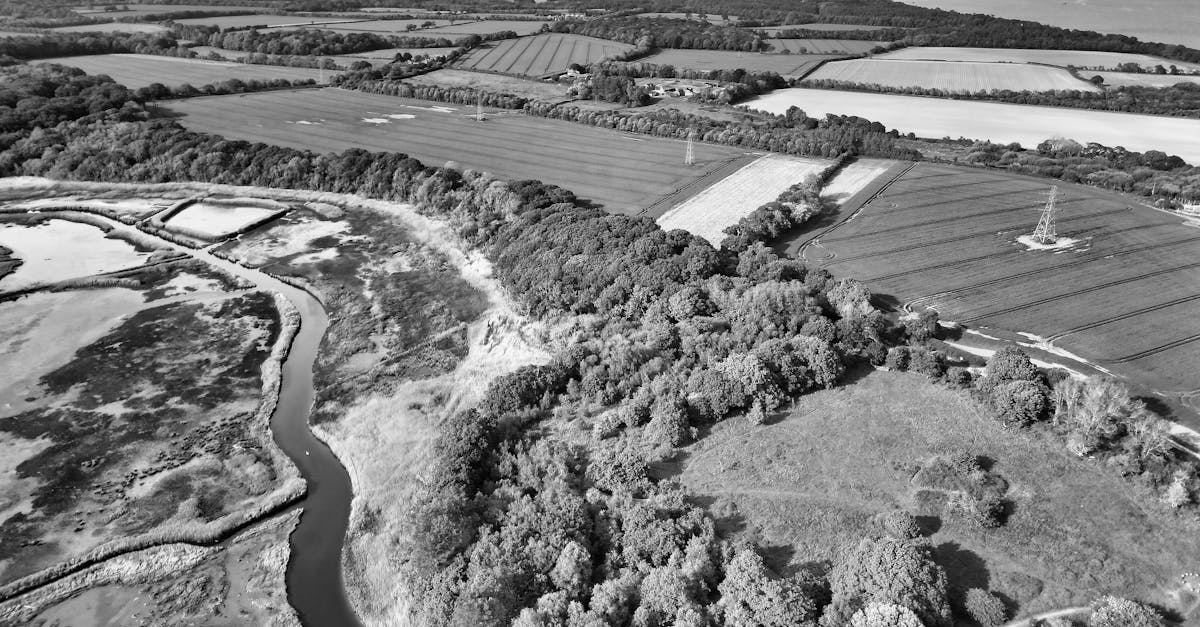
The River Test and the River Itchen are glass veins through Hampshire chalk. Clear, cold water. Gravel beds. Mayfly hatches that put trout on the surface. Brown trout take a neat, exact fly. The chalk-stream scene demanded precision. Halford supplied doctrine.
Halford insisted on long upstream casts, a dead drift and a natural presentation. He favoured split-cane rods and closely tied dry flies that matched the surface insects. The method was not just technique; it was etiquette. Gentle wading, careful stalking, respect for the fish and the water.
Flies, fish and tackle
On the Test the fish are mainly brown trout, occasionally sea trout where tidal influence reaches. Flies mimic Ephemeroptera and small sedges. Soft-hackle patterns and March Brown dries live alongside the classic imitations. Modern anglers use lightweight rods, floating lines and fine tippets to land wary trout without spooking rising fish.
Halford's rig and rules spread across the UK and set the template for modern fly fishing. The chalk stream remains a place where a single cast, perfectly delivered, still decides the day — a dry fly breaking the film at first light.
Recommended: waterproof fishing waders