
Halford, the Test and the Dry-Fly Revolution
Halford's 1889 Dry-Fly creed rewired angling on the River Test.
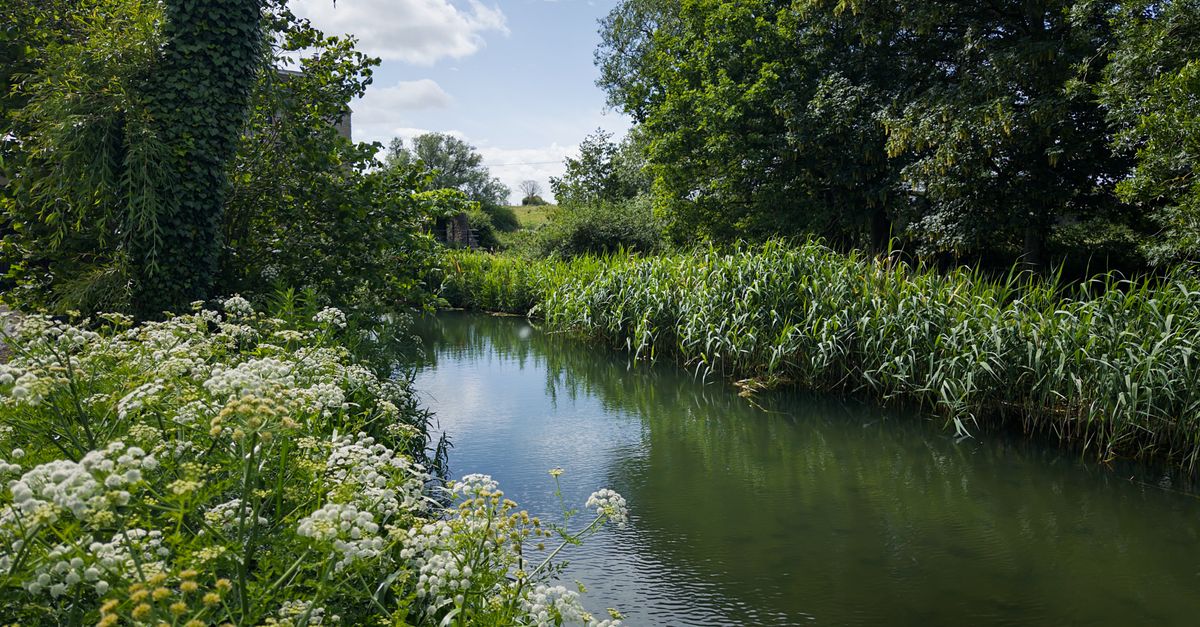
Chalk streams such as the Test and the Itchen run through Hampshire with water so clear a trout's flank reads like print. Brown trout and grayling wheel in those shallow, gin-clear runs; mayfly and caddis hatches set the day's rhythm. The chalk aquifer keeps temperature steady, so tactics matter more than brute strength.
From dry-fly doctrine to nymphing craft
Frederic M. Halford insisted on strict dry-fly presentation, elevating a single perfect cast to near-religion. G. E. M. Skues pushed back with nymphing, arguing subsurface patterns win where dry flies fail; that argument remoulded rigs and flies across southern beats. The debate produced lighter leaders, subtler flies and an angling etiquette that still governs private beats.
On the chalk the angler reads seams: the tail of a riffle, the soft belly of a run, the margin shadow. Gear is minimal — a delicate rod, pale leaders, neat flies tied to match emergent mayfly — and a pair of waders to keep silent in the shallows. Clubs and ghillies hand down fly patterns and river lore; tying benches still host the same knots and methods discussed a century ago.
At dawn on the Test a dry fly settles, a brown trout takes, and the glassy surface breaks into a small, bright argument between line and fish.
Recommended: breathable fishing waders