
Heated bite alarm and freeze‑proof rod cover
Compact heated bite alarm and insulated rod cover for sub‑zero UK nights
Surprising UK fishing fact
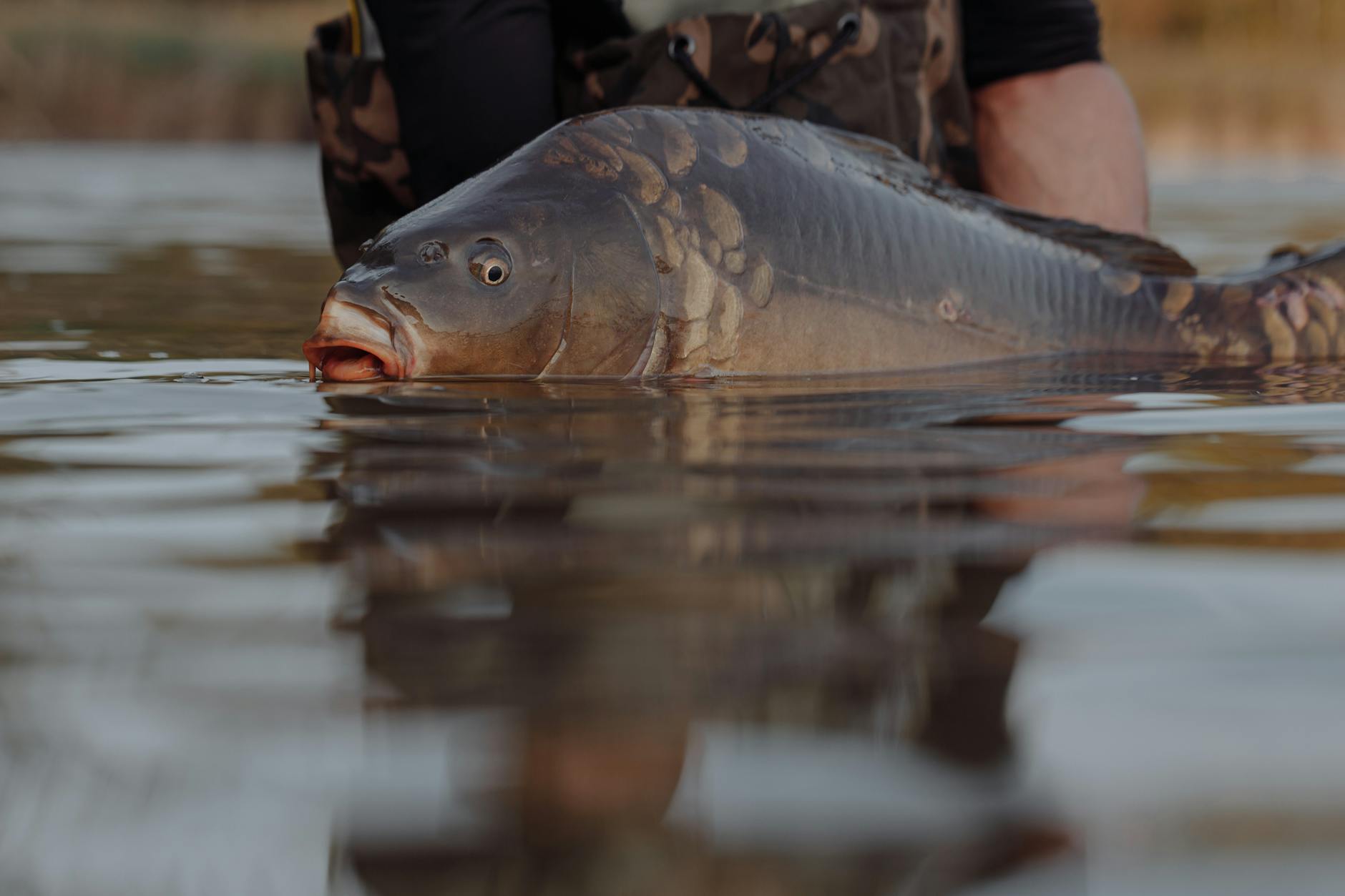
A lesser-known fact: roughly 85% of the world’s chalk streams lie in England, a freshwater legacy that contrasts with the gravel‑pit carp fisheries—popular in the Midlands and southern England—that remain active through frosty February nights.
DIY heated bite alarm (electronics)
A compact design uses a low‑wattage PTC element (2–5 W) mounted under the alarm PCB, switched by a logic‑level MOSFET and a small microcontroller or comparator for over‑temperature cut‑off. A 12 V battery pack is common; at 5 W the draw is ≈0.42 A (I = P/V). On a 12 V 7 Ah sealed battery that gives ≈16–17 hours; on a 12 V 2 Ah pack ≈4–5 hours. Fit an inline fuse and a battery voltage monitor to avoid deep discharge.
Waterproofing and battery tips
Seal the alarm with automotive‑grade silicone around joints, use heat‑shrink with adhesive, and conformal coat the PCB. Position the battery in a waterproof, insulated pouch to reduce capacity loss in cold. Use IP67 connectors for detachable leads and keep charging gear separate from overnight kit.
Breathable insulated rod sleeve
For rod tips a layered sleeve works best: outer abrasion‑resistant nylon (Cordura), a thin reflective aluminium foil layer, synthetic loft insulation (Primaloft or Thinsulate) and an inner moisture‑wicking fleece. Add vented seams to let damp air escape and avoid trapping condensation that can freeze on ferrules.
Safety checklist for frosty dawn sessions
Headtorch (red mode), insulated gloves, spare battery pack, inline fuse, fire‑safe battery box, waterproof rucksack, thermal blanket, first‑aid kit, clear marking for night retrieval of tackle, and phone with location sharing. Avoid enclosed charging of lithium packs overnight and keep a safe distance from anglers using electric heaters on hard banks.