
Heated rod-handle for UK shore anglers
DIY heated rod-handle and low-glare tip-light for February shore sessions
Overview
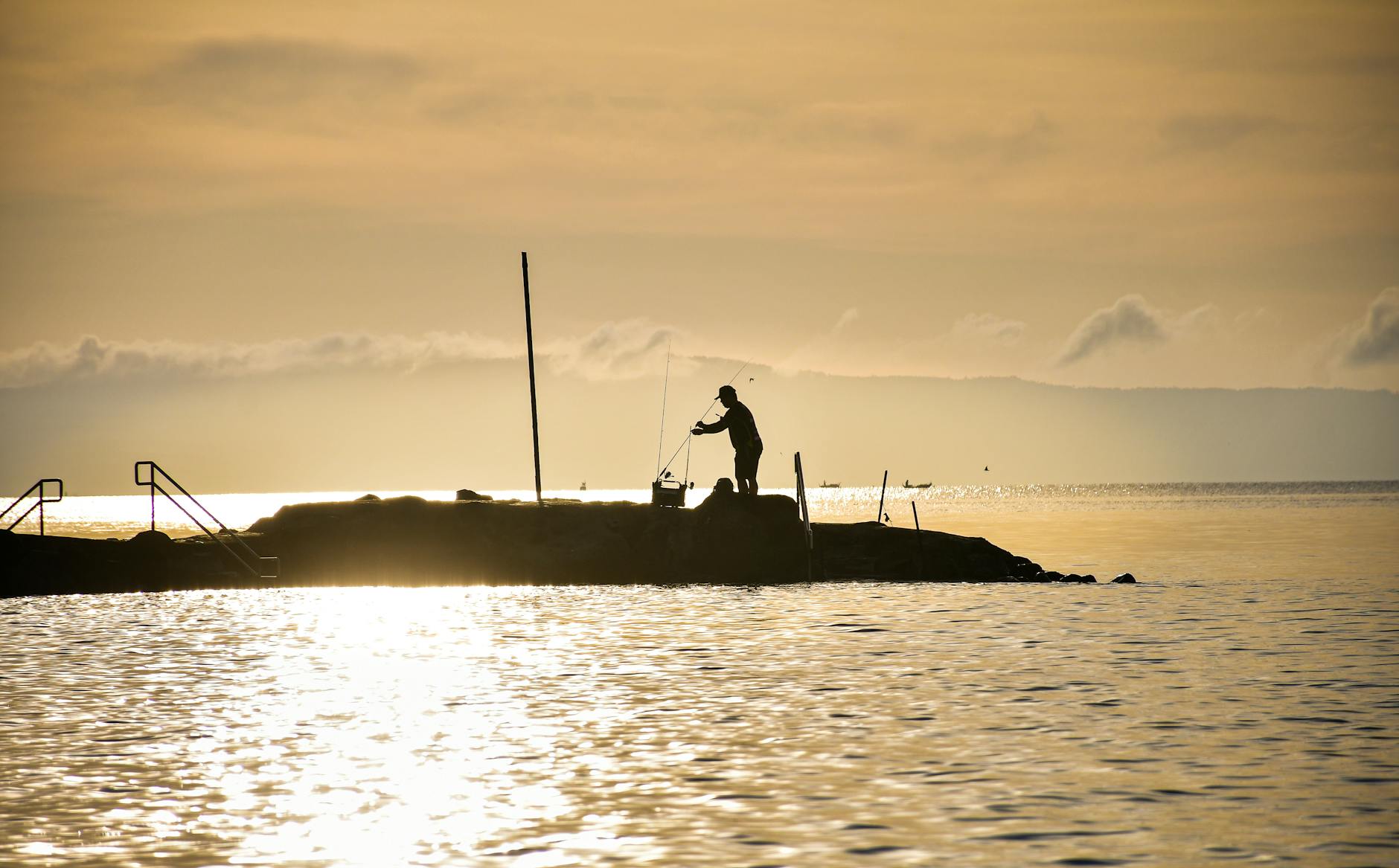
A compact electronics walkthrough describes how British inshore anglers can add a rechargeable heated grip and subtle tip-light to a spinning or bait rod for short February shore sessions. The guide targets conditions common to the English Channel, Isle of Wight coastlines and Thames estuary where cold winds and low winter light make winter bass and codling sessions uncomfortable and fussy baits harder to detect.
Battery and safety
Recommended power sources are protected 18650 cells in a sealed holder or a small USB power bank (5–10Wh) from a reputable UK supplier. Protection circuits, a simple inline fuse and waterproof switch are emphasised. Cells should be purchased with protection circuitry and charged via a dedicated charger to avoid thermal risk; reputable suppliers and genuine protected cells reduce hazards compared with unlabeled packs.
Compact heaters and waterproofing
Thin PTC or carbon-fibre heating strips laminated under the cork or EVA handle provide even warmth at low draw. A low-voltage design (5V) avoids high-current runs; a MOSFET switch plus a simple temperature sensor prevents overheating. Waterproofing combines adhesive-lined heat-shrink over joints, silicone O-rings at butt-end access caps and a sealed epoxy pot over the electronics chamber; IPX7-style wet-proofing suits busy shore use.
Low-glare tip-light
A subdued amber or red LED mounted near the tip with a diffusing sleeve serves as a bite indicator without spooking nearshore bass. Use a 3mm LED with a 10–20mA resistor or low-current LED driver and switchable brightness. Mounting options include a thin flex circuit glued inside a light-diffusing shrink tube or a tiny clamp-on module that hides along the guide train for discreet night use.
Practical UK angle
The note highlights short, tide-dependent February sessions popular on coastal promenades and estuary shingle—small, sealed packs and quick-release butt caps let anglers warm fingers between bites while keeping rigs compact for a fast return to changing winter tides.