
Hebridean crofts & the morning pollack
Skye still has around 2,000 working crofts
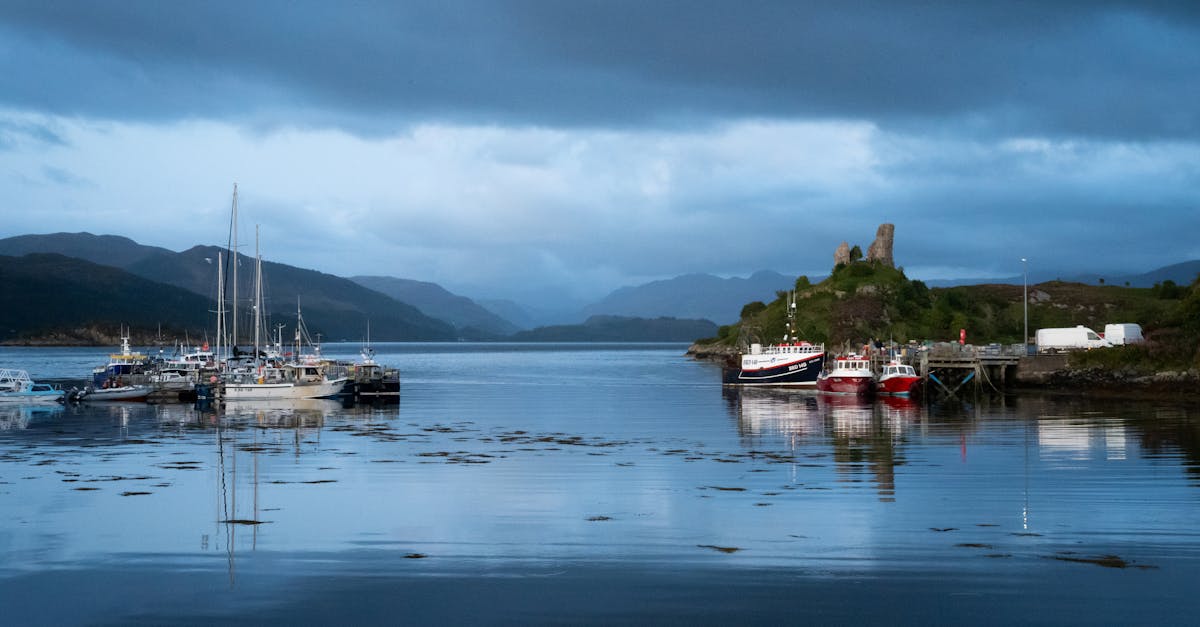
At dawn the small boats slip past kelp-fringed skerries off Trotternish and Strathaird. Pollack (Pollachius pollachius) and saithe (Pollachius virens), called coley or coalfish by locals, run the inshore edges of Loch Bracadale, Loch Dunvegan and Uig Bay, and a single fish could feed a croft household.
From sea to scullery
The crofting day began with an hour on rough ground where pollack hunt. Boats were short, lines light, and the aim was to be back before croft work. Fishing rose in importance through the mid-19th century and helped families survive the potato failure that followed.
Cooking was plain and practical. Fresh fish was split, pin-boned, salted briefly and fried in a frying pan with a knob of butter until the skin crisped, or baked slowly with milk and oats. Less glamorous parts—heads or offcuts—went into a fish sauce, boiled with oatmeal and milk to thicken and stretch the meal for a family.
At the croft table supper was brown bread, new potatoes and a pan of hot fillets beside the kettle on the peat stove. Dawn light on Loch Bracadale, a single 60–70 cm saithe laid out on the board, and the creak of oars as boats turn for shore: a scene as immediate as any old Hebridean tale.