
Hickling Broad Twilight Movements
Hickling Broad's mean depth is about 1.3 m — twilight drives fish into margins.
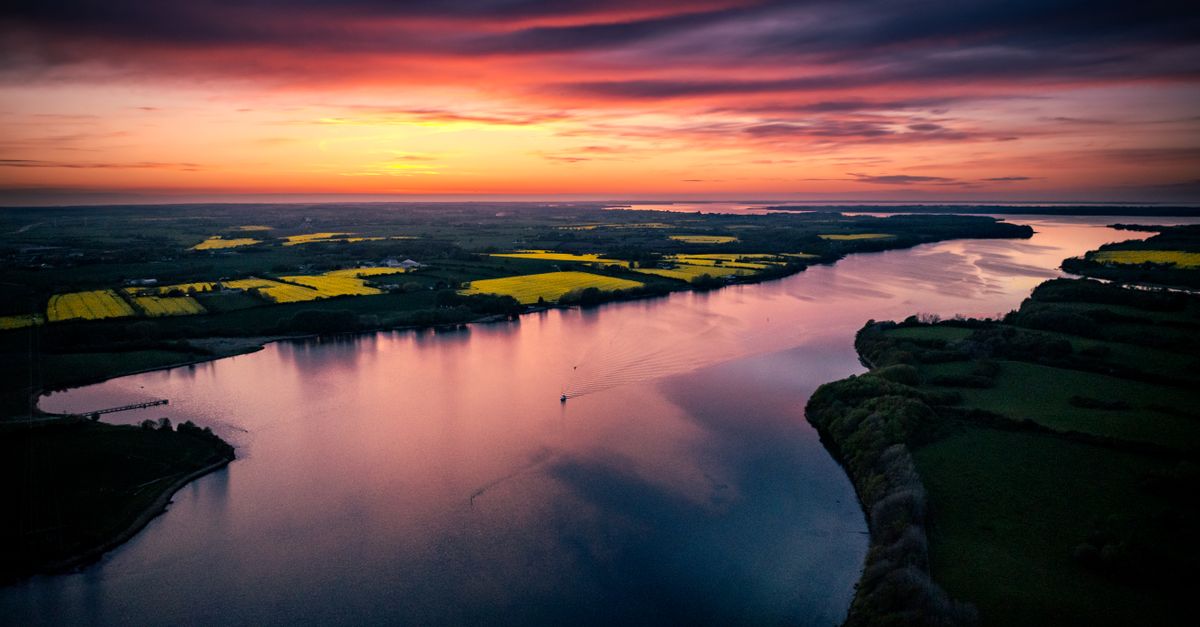
Warm, shallow water on Hickling Broad sheds dissolved oxygen fast as light falls, so resident pike and perch move into reed-fringed shallows and weed-lined edges at roughly 0.9–1.5 m instead of roaming the centre.
Oxygen pockets collect around dyke mouths, boatyard edges and the transition from open water into cover; those pockets concentrate baitfish and the last emergent insect pulses of dusk, and predators stage there to ambush.
Practical setup for a twilight session
For pike use 20–30 lb braid or mainline with a 40–60 cm trace, offering deadbaits or wobblers slowly along margins where sudden depth change meets reeds — those strikes come fast and explosive.
For perch run 4–8 lb line with small worms, maggots or light lures fished tight to sheltered dykes and basin-like bays; Ludham Basin and the reed channels near Hickling often concentrate baitfish and insects at dusk.
Timing favours roughly 18:00–20:00 on warm, still summer evenings, then narrows to true dusk as oxygenable margins become the only productive water. The local read is simple: fish the boundary of warmth, cover and cleaner water.
On Hickling the reed fringe blackens, a shoal edges up to the margin with insect life, and a pike silhouette cuts the dark — that surge into the shallows is the evening’s signature.
Recommended: hard wobblers lures