
Hidden hyporheic life beneath England's chalk streams
Hidden hyporheic life beneath England's chalk streams
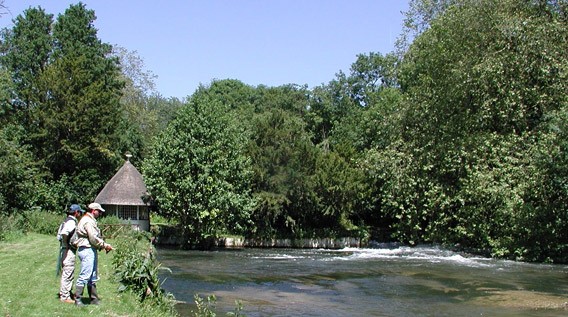
Secret communities under the gravel
Beneath the polished riffles of celebrated chalk rivers such as the Test, Itchen and Hampshire Avon lies a teeming, often overlooked habitat: the hyporheic zone. This narrow subsurface layer of water-washed gravel shelters a diverse assemblage of microscopic crustaceans, stygobitic amphipods, caddis and stonefly larvae, nematodes and bacterial mats. These organisms drive nutrient cycling and produce the drifting invertebrate pulses that feed brown trout and juvenile salmon—species central to Britain’s fly-fishing tradition.
An intimate link with angling heritage
Anglers casting on beats near Stockbridge or Winchester unknowingly rely on life hidden beneath the bed. Freshwater pearl mussel larvae (glochidia) that attach to trout gills illustrate an unusual ecological partnership linking molluscs and game fish in these rivers. Recent field studies using artificial gravel samplers and endoscopic observation have revealed hotspots of hyporheic productivity unique to individual catchments, explaining why some reaches of the River Test are famed for consistent hatches. The hyporheic habitat thus constitutes a hidden frontier for understanding and sustaining the character of classic British trout fisheries.