
Evening seams on the Itchen
River Itchen at Alresford: evening seams reworked
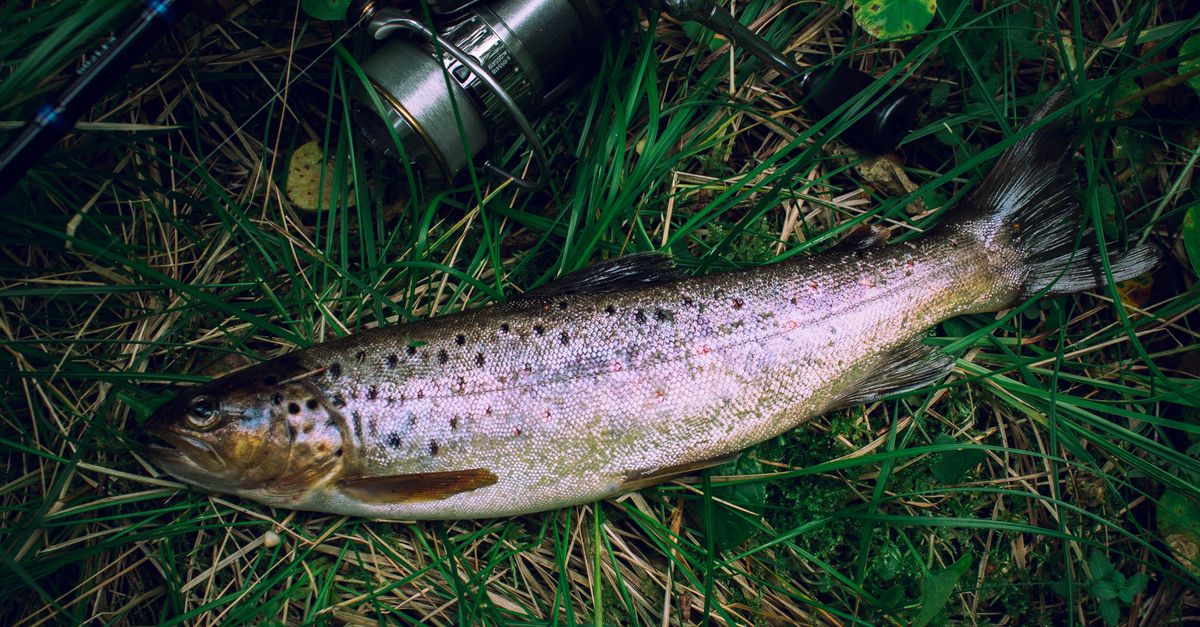
The restoration of the watercress beds at Alresford has replaced hard impounding banks with islands, large woody material and a sequence of pool-and-bar features, shifting brown trout from long, predictable edge-water into a broken set of holding lies. Fish that once sat in a single even seam now pepper short pockets behind deflectors, in tree-sweeper glides and on cleaner gravel transitions along carriers.
Stalkers should read the new cover edges and insect drift lines rather than hunt for the old classic seam. Evening hatches now send narrow pulses of mayfly, sedge and olive along slips where oxygenated flow brushes slower water; trout time brief sprints from deeper glides to take flies off the shaggy margins of watercress, willow and sallow or from behind large woody debris.
Evidence of spawning use upstream, with redds at Bishop’s Sutton, Cheriton, Martyr Worthy and the lower Candover, confirms the habitat gains. On the bank, approaches go quieter, presentations get tighter and leaders finer. Short upstream casts, subtle mends and a light dry pattern work best; carry wading boots and a nimble fly rod and be ready to pick off successive short holding lies.
Stalking the new seams
Work the soft seam where faster flow brushes a slow pocket, quartering casts tight and stripping only when a pulse arrives. Watch marginal fronds and island tails for drift shadows; a trout will launch from a tucked pocket at dusk, tail flashing under a willow sweep.
Recommended: lightweight fly rod