
Itchen Caddis Feeding Lanes
River Itchen, Winchester — evening caddis feed lanes
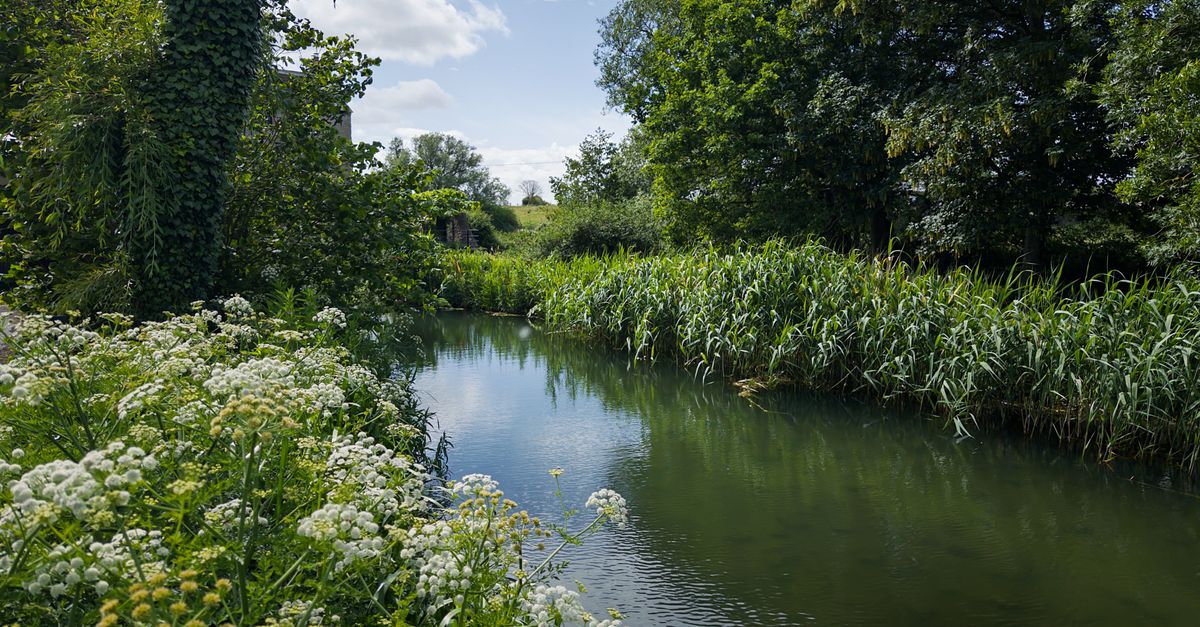
On the River Itchen at Winchester, evening caddis emergences funnel brown trout into tight feeding lanes where seams and surface film carry pupae past seated fish. Anglers watching see bulging, splashing and porpoising rises in riffles and quieter dorsal‑fin breaks in glides as trout intercept emergers. These are not random risers; fish pick the soft side of faster water, sit on a seam and slide into the lane at dusk rather than cruising the whole channel.
Seams, eddies and glide edges
Food funnels along the boundary between fast and slow water; foam lines and small eddies trap emergers and crippled insects so trout hold there. Shallow glide edges draw brown trout up from deeper lies as light falls, and those lanes keep working after the main hatch fades because drifted pupae and subsurface nymphs continue to pass.
Practical river tactics translate on the Itchen: fish small emerger or cripple patterns while adults hover, use a short, stout leader—2 ft of 20 lb tippet joined to 3 ft of 15 lb tippet—and present down‑and‑across in soft water or upstream in tight lanes. As dusk deepens, a small streamer can pay at the lane's tail when fish stop looking up and feed subsurface.
On reaches near Alresford and Eastleigh the pattern repeats every clear evening; the sight of a trout sliding into a foamy seam to clack a caddis pupa is the single best sign the lane is live.
Recommended: trout streamer flies