
Itchen Dusk Feeding Windows
River Itchen at Alresford: dusk feeding compresses into short, intense seams
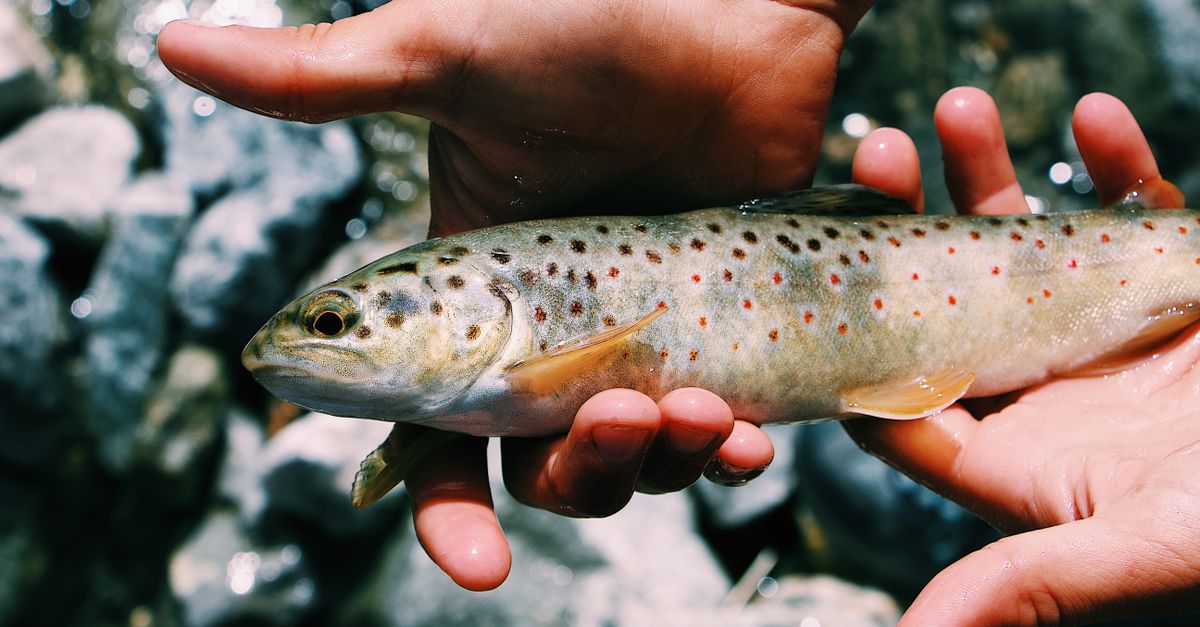
Restoration of gravel beds, brushwood and woody cover along the River Itchen has sharpened evening feeding into tighter windows for brown trout and sewin. Thermal seams where cool spring-fed flow meets marginal slack now act as conveyor belts for insect drift as light fades.
Channel heterogeneity increases velocity contrasts; restored ramps and deeper slots concentrate food and let trout key into discrete feeding lies rather than roaming. Chalk-stream insect pulses from May to October often produce last-hour rises rather than a long, even feeding period.
Practical beats and behaviour
Anglers should watch below riffles, bridge narrows and restored gravel ramps for seams and touchy rises. Inside bends, downstream edges of ranunculus beds and narrow slots beside brushwood are low-flow refuges where trout hold with minimal effort. Localised water-quality changes—temperature shifts, conductivity spikes and dissolved oxygen drops of 25–30% downstream of some farm discharges that recover over roughly 1,500 m—can compress comfortable feeding zones at dusk.
When insect pulses arrive a dry-fly can work; when seams thicken a tight nymph cast across current lines usually triggers power takes. Wading boots and a tapered leader help place flies into the seam where trout strike as the last light narrows into a single, bright hatchline.
A sewin torching a thermal seam against restored gravel is now a common late-light sight on the Itchen.
Recommended: waterproof wading boots