
Itchen Dusk Rises
Below Winchester on the River Itchen the evening rise begins with groundwater pulse
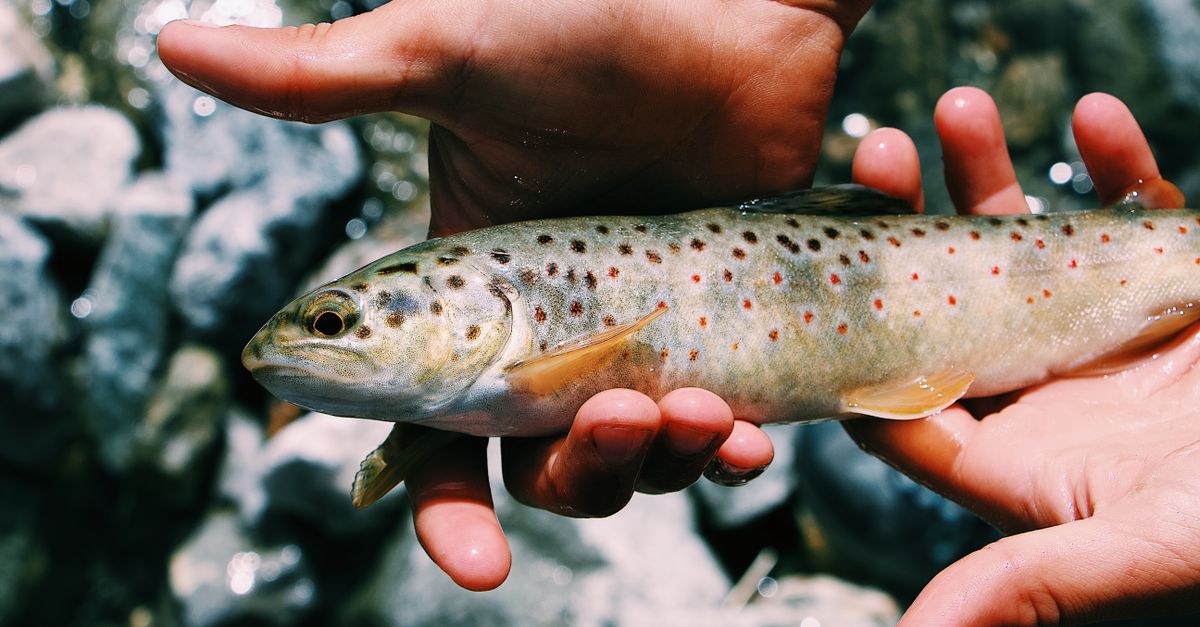
Brown trout on the Itchen lock onto a predictable crepuscular window when chalkstream groundwater pulses shove macroinvertebrates into the current. These pulses, born in the Hampshire chalk aquifer, create a sudden, synchronized drift that turns surface film into a moving buffet.
Trout behaviour shifts with light. Crepuscular instincts push activity toward dusk and dawn, but on the Itchen dusk dominates as insects dislodge and float free. Resident brown trout — the archetypal chalkstream predator, often called “smart” or “selective” by locals — exploit that surge with minimal energy waste, rising aggressively where shallow runs meet soft seams.
How the drift and trout line up
In pure chalk water, temperatures are stable and flow pulses are clean; insects flushed from margins and gravel beds create brief, dense pulses of food. Fish concentrate below Winchester where the channel narrows and seams form behind gravels and boulders, feeding on emergent flies and washed nymphs as light falls.
Practical angling follows ecology: small dry fly patterns and subdued blobs that mimic natural drift work best in the evening hatch, while careful wading and low-angle presentations keep spooked fish feeding. The most reliable runs hold 20"–24" trout from late summer into autumn, though evening hatches occur year-round.
At dusk the Itchen runs amber beneath willows; arcs of trout break the mirror in neat, wet commas as groundwater pulses keep the drift coming.
Recommended: waterproof wading boots