
Itchen Evening Hatches
River Itchen, Hampshire — caddis hatch window 4–7 PM.
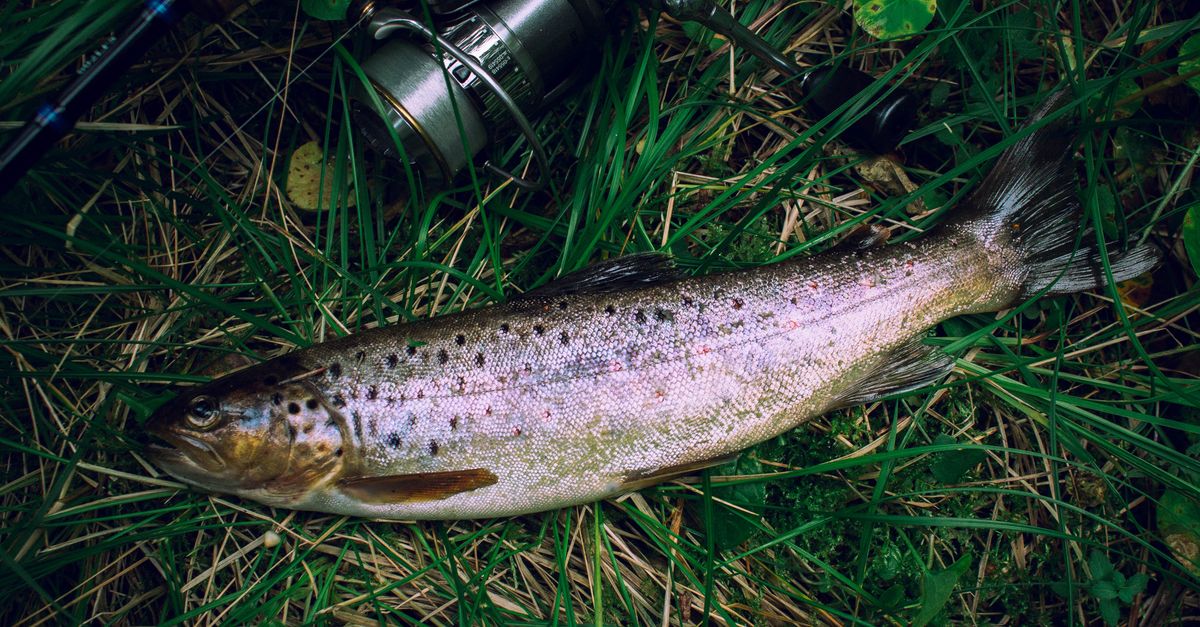
Brown trout (Salmo trutta) on the Itchen move into shallow tailouts and riffle heads as caddis pupae rise and spinner falls break the surface film. Caddis activity from May to October concentrated in the late afternoon creates a narrow but intense feeding window; trout often take within 0–2 feet of the surface.
Mayflies of the Baetis group show peaks in warmer daylight as water warms by 1–3°C, so the evening pulse belongs chiefly to caddis pupae and emerging spinner patterns. Trophy fish, commonly 10–18 inches and sometimes 20+ inches, can be reluctant to surface, making imitation choice and presentation vital.
Evening feeding cues and tactics
Target tailouts and slow heads where current eases. Twitching a dry fly upstream imitates struggling pupae; drifting a Sparkle Dun or X‑Caddis in the film triggers lazy takes. Anglers favour dry patterns such as Elk Hair Caddis or Parachute Adams, and switch to pupae imitations as the hatch intensifies.
Practical rigging matters: 4–6 wt rod, 9 ft leader, size 12–16 flies. Measure line to the opposite bank minus 1–2 feet before dusk to avoid snags once light fails. Nighttime chasing of mayflies is unnecessary; the evening window is where the Itchen yields its best sight fishing.
At last light a pale dun film rides the current above a riffle and a trout, pinned in the tailout, rises with a soft sip that closes the hatch before darkness falls.
Recommended: fly fishing leader