
Itchen Evening Insect Pulses
Alresford watercress beds, River Itchen evening rises
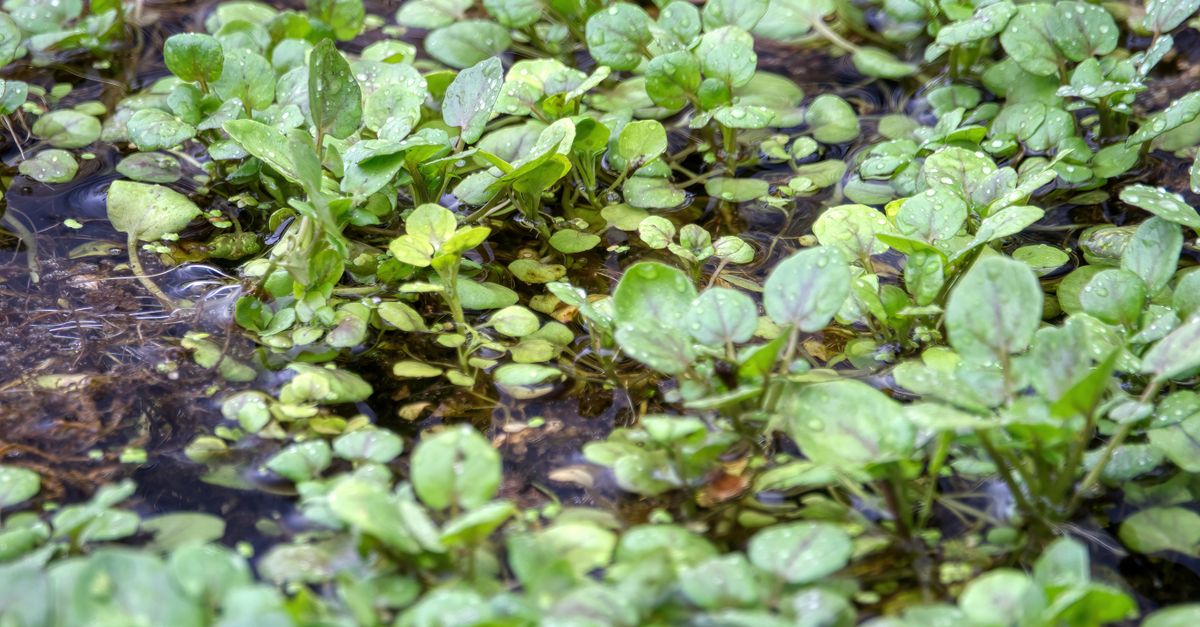
Alresford's watercress beds feed cool, mineral-rich side channels into the River Itchen, turning late light into a feeding engine for trout. Chalk tributaries around Winchester and the lower Itchen meadows keep flows cold and clear, while water-crowfoot and water star-wort trap emergers into tight patches anglers learn to watch.
Evening pulses form where slow, shallow slack meets cover: margins, flats and carrier streams from the watercress works. Drifted insects concentrate there; trout hold on edges and dart in for a quick gulp. Rises are subtle—soft dimples, head-and-tail lifts, steady gulping rather than big splashes.
Habitat practice and fish behaviour
The Watercress Company has run beds without pesticides for decades and monitoring shows the beds enhance downstream biodiversity in this SSSI/SAC system. Chalk rivers support bullhead, brook lamprey, Atlantic salmon and brown trout; that biological richness fuels evening hatch pulses that anglers target.
Tactics are straightforward: present small emergers like a CDC emerger or soft hackle for dimples, switch to dun and spinner patterns such as Adams-style parachutes when the surface breaks up. Use fine tippet, around 4X-6X, and flies in the #14-#20 range. One electric stretch of 50-100 m can hold the best action; an evening's best water often covers only a few hundred yards.
A trout pauses under a ribbon of water-crowfoot, a pale dun skims low and a pinpoint rise marks the take—this is the pulse anglers time their casts to, as dusk slides across the Itchen.
Recommended: Fly tippet spools