
Itchen Evening Pulses
Lower Itchen Fishery at Gaters Mill — evening pulses
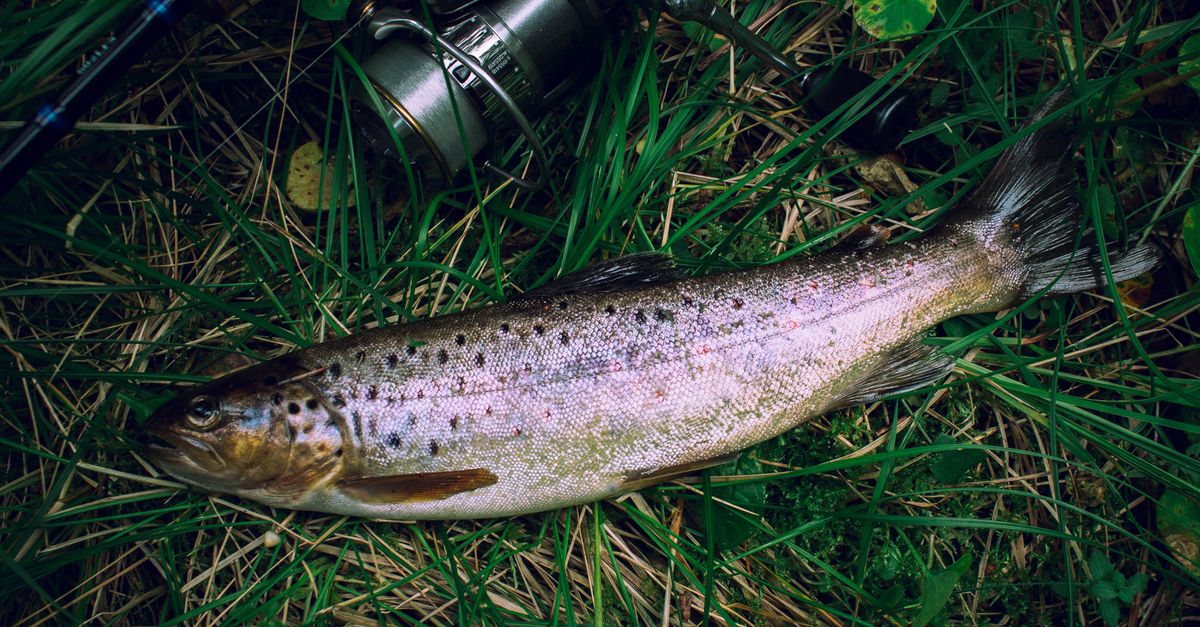
On the chalk of Hampshire, groundwater-fed pulses and cooling evening gradients shape the Itchen's night life. Cold spring water keeps the river stable; a late-evening burst of sedge and caddis triggers surface feeding long after dusk. Brown trout stay active into darkness where other rivers would shut down.
Hatch rhythm and trout behaviour
Late-April dark olives and grannom caddis start the season; mayfly peaks in late May and early June, then blue-winged olives carry the river through June. By summer, caddis and sedge dominate evenings. Caddis emerge from margins during low light while spring pulses open seams and tails where trout cruise.Beats such as Bishopstoke, West End and Avington show the pattern clearly: wild brown trout, resident grayling and visiting sea trout in lower reaches respond to micro-thermals along riffles and tail-of-pool lies. Weekend chalkstream sessions concentrate on these beats for late-evening sport.
Practical tactics are straightforward: fly-only where required, favour upstream dry fly and nymph presentation, and match the hatch with olive, caddis/sedge and small terrestrials. Carry patterns like Hawthorn and Black Gnat in fine sizes and keep leaders light; the spring-fed clarity punishes slack. Nights on the Itchen often end with a hatch-lit seam, a bronze flash and a trout cutting the moonlit ripple.