
Itchen Evening Rise
Itchen Evening Rise
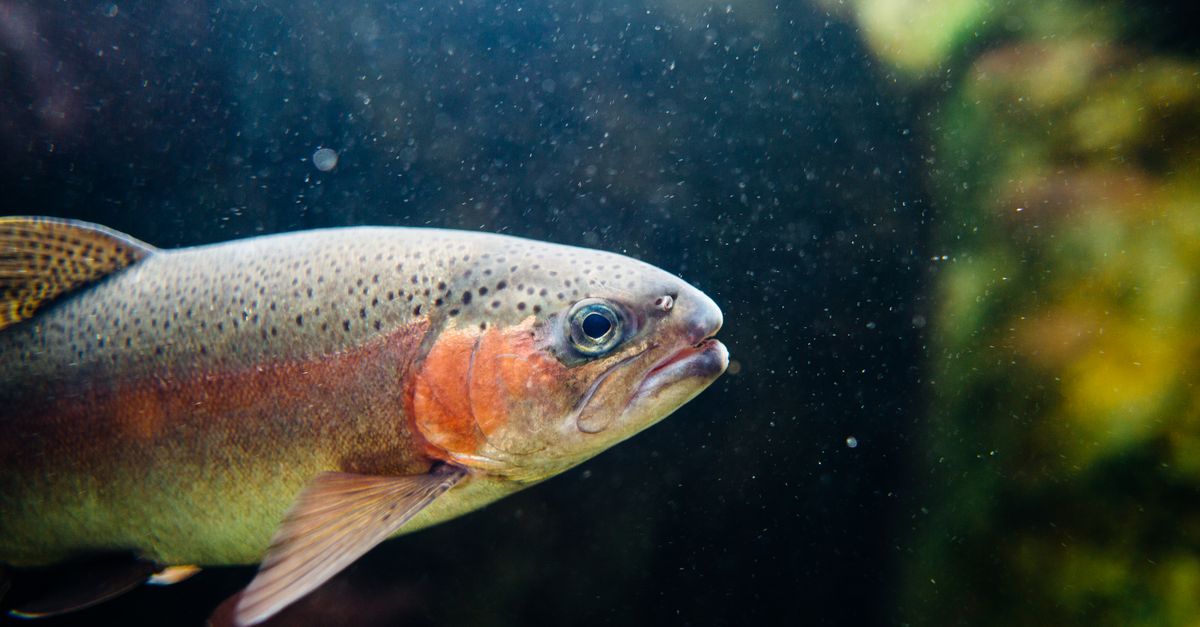
On the River Itchen in July water sits around 10–13°C and the evening rise reshapes every margin into a feeding highway for brown trout.
Chalk‑stream insects — caddis, stonefly and mayfly emergers — pulse at dusk and trout go semi‑nocturnal. They largely pause in the half hour either side of sunset while their eyes adapt, then switch on as light falls to roughly 0.1–1 Lux. Large browns move into undercut banks, plunge‑pool heads and eddies behind boulders, holding current breaks and tailouts where the hatch concentrates.
Reading hatches and rise forms
Gentle sips on the surface usually mean adult duns; bulging or swirling blows just below the film when emergers and cripples are being taken. Match the moment: start with Hare's Ear or an F‑Fly nymph, shift to short‑winged emergers as fish bulge, then offer olive duns when sipping appears. Practical stealth matters — 12-foot leaders (minimum 9ft) keep thick fly line off wary surface fish.
Large Itchen browns, commonly 2–4 lb and at times heavier, favour deep, dark seams at dusk. Protecting chalk‑stream margins and still air around riffles preserves that evening pulse — the pulse that turns a quiet Hampshire river into a corridor of hungry trout as dusk settles over Winchester.
Recommended: Hare's Ear nymph